Explore Reykjavik's hidden gems away from the busy streets and crowds. Find a unique experience at a historic pool or a quiet ferry to Viðey Island.

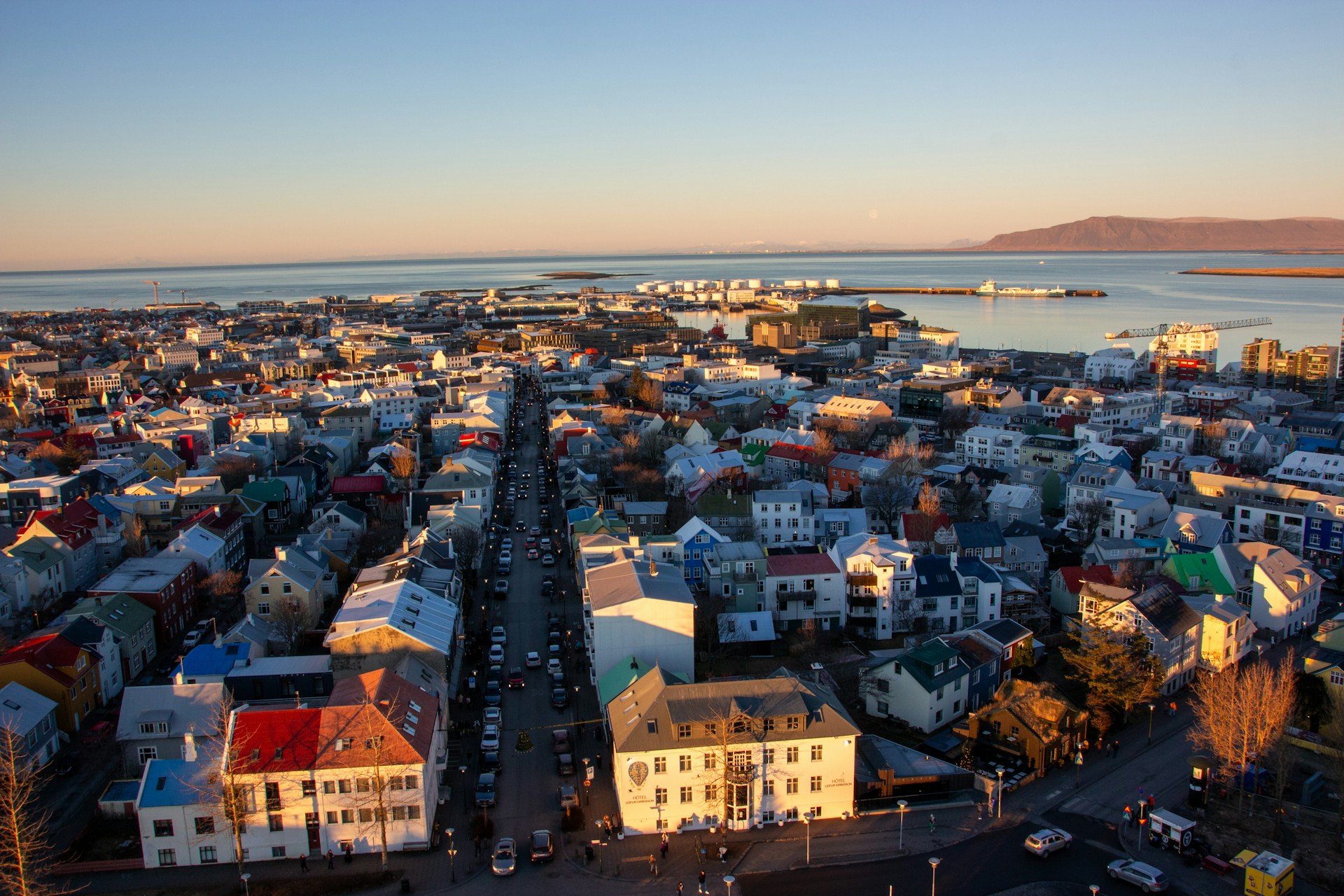
Reykjavík's hidden gems sit just beyond the city's best-known sights, like Hallgrímskirkja and the Sun Voyager statue. Locals know these quiet spots well, but most tourists walk right past them. The spots sit close to downtown, near Tryggvagata and the Old Harbor.
Reykjavík Is a Walkable City Built for Wandering
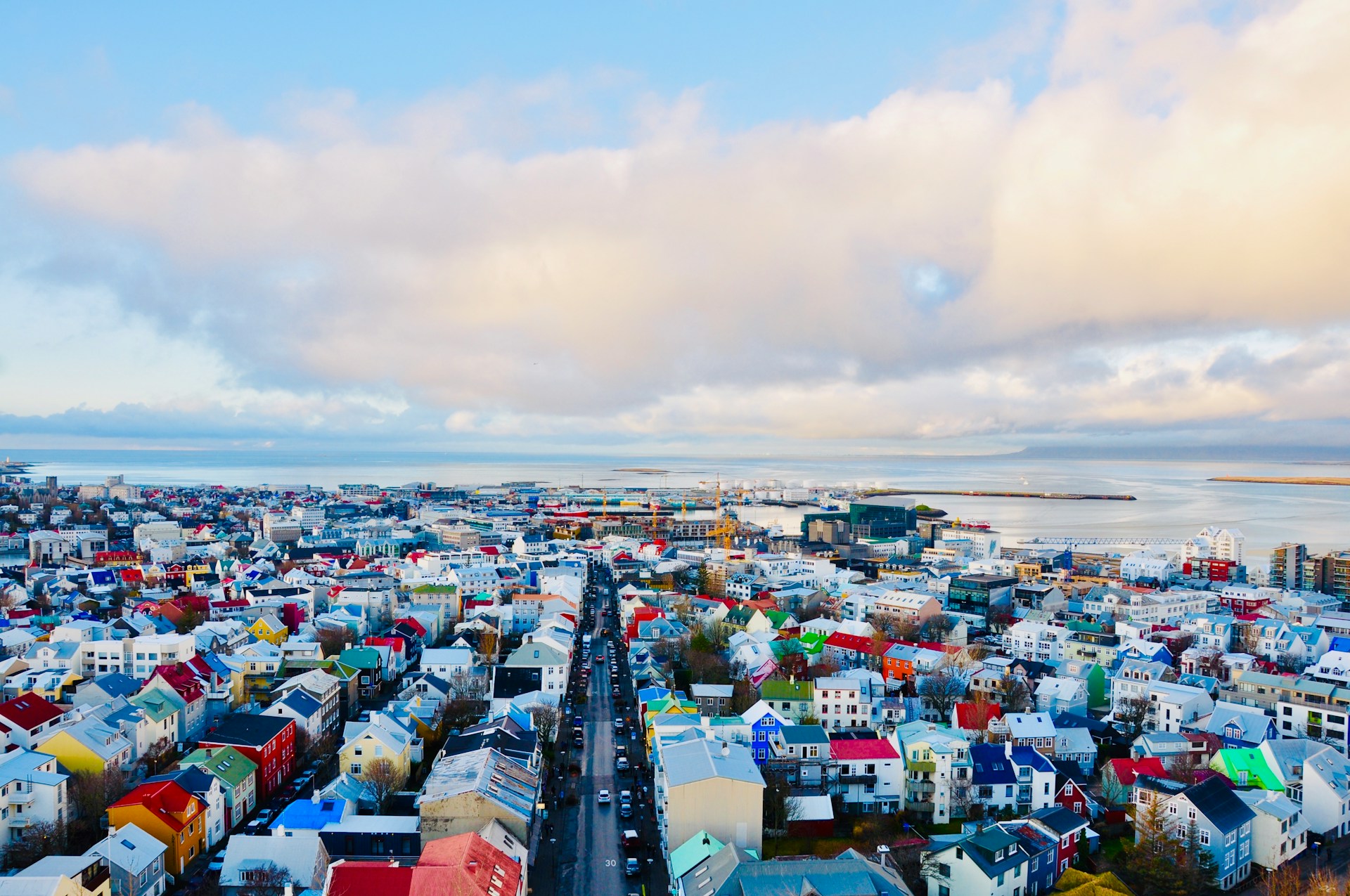
Downtown Reykjavík is small, so most attractions sit within easy walking distance. Around 250,000 people live in the capital region, but downtown itself stays compact enough to explore entirely on foot. Laugavegur Reykjavík draws the biggest crowds, while smaller lanes nearby stay quiet. Walk a few blocks off the main streets, and the city shows another side.
Many visitors spend their whole trip moving between the same handful of landmarks. That approach skips the small museums, local pools, and neighborhood markets that give Reykjavík its character. A short detour off the main streets often leads somewhere worth remembering.
8 Reykjavik Hidden Gems Worth Exploring
These 8 spots are close to the city center and rarely appear on standard itineraries. Each one offers a unique experience that goes beyond the typical sightseeing checklist.
1. Sundhöll Reykjavíkur's Original Geothermal Pool
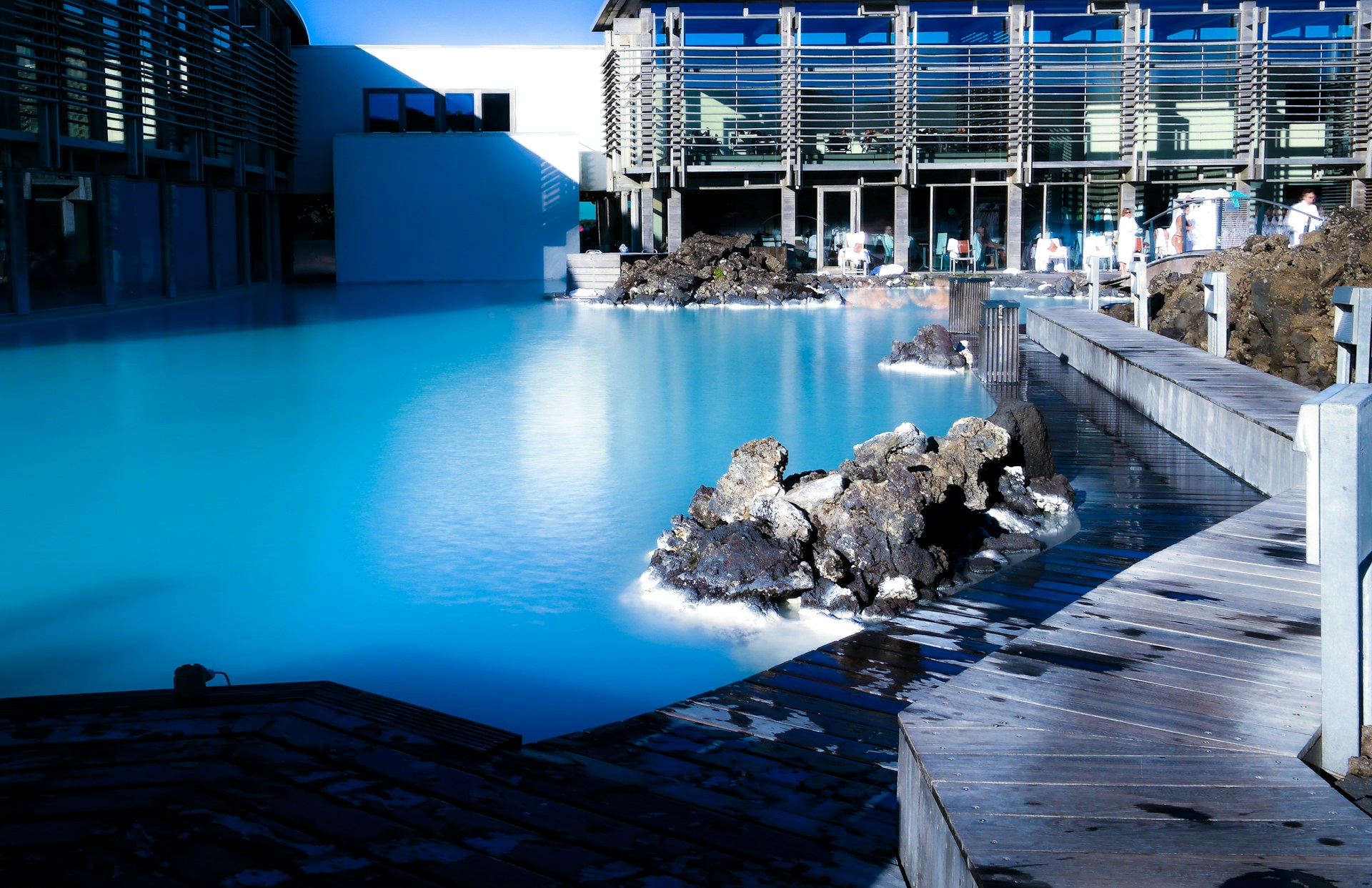
Sundhöll Reykjavíkur opened in 1937 and remains Reykjavík's oldest public pool. The Art Deco building holds an indoor pool, an outdoor pool, multiple hot tubs, and a cold tub. Locals swim here year-round, even when snow covers the outdoor deck.
Most visitors head straight for Blue Lagoon or Sky Lagoon, so this downtown pool stays mostly local. If soaking in hot water is your favorite way to unwind, the outdoor hot tubs deliver that local ritual. It sits roughly a 25-minute walk from Tryggvagata, or a short bus ride. Remember to shower without a swimsuit first, a standard rule at every Icelandic pool.
2. Kolaportið's Weekend Flea Market by the Harbor
Kolaportið fills a warehouse near the harbor every Saturday and Sunday. Inside, you'll find vendors selling vintage clothing, Icelandic wool, old vinyl records, and traditional foods like fermented shark. Browsing here gives a clearer look at everyday Icelandic life than most souvenir shops do.
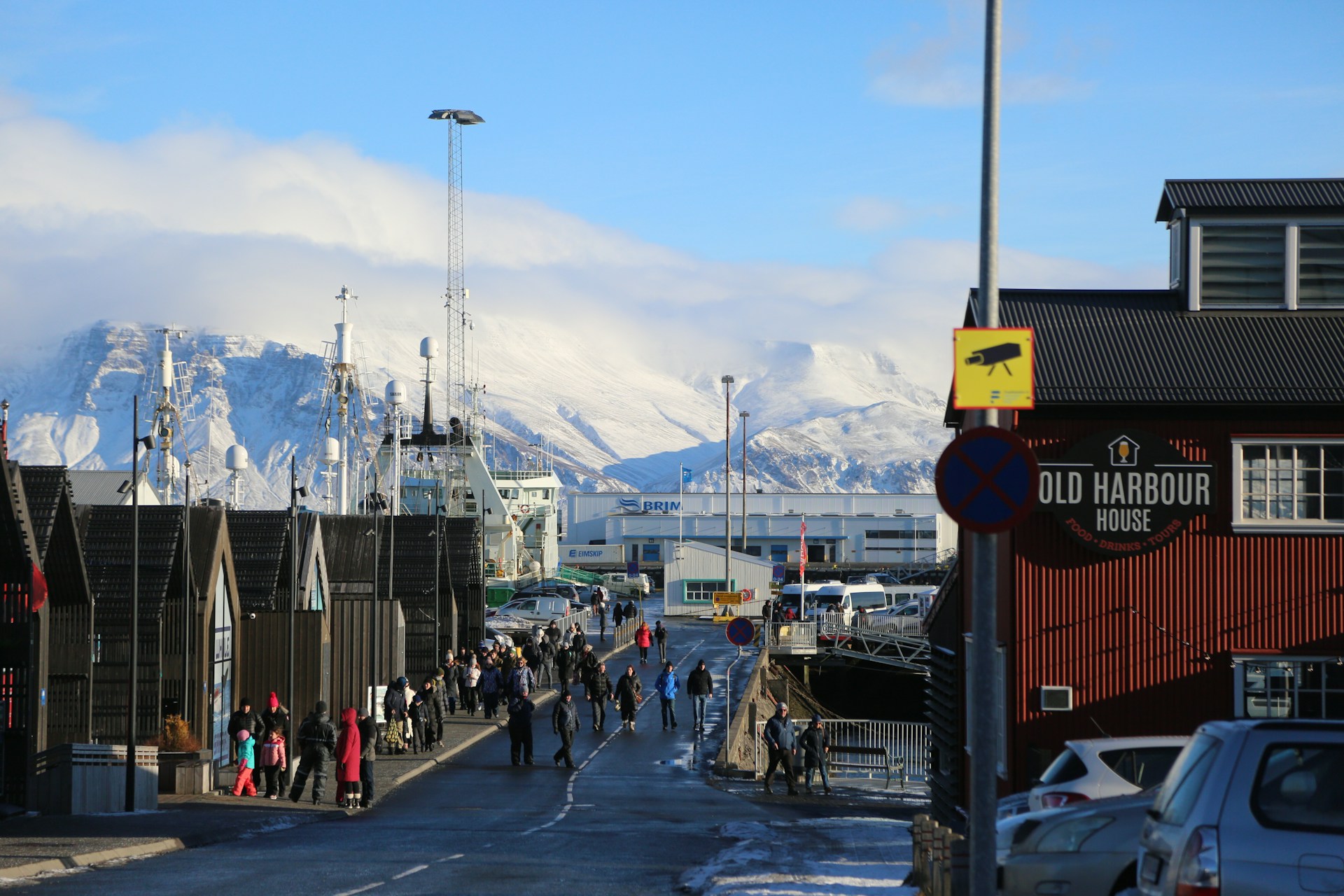
Laugavegur's shops pull most of the crowd, leaving this harbor warehouse easy to miss. Bargain hunters and curious eaters get the best of both in one visit. Kolaportið sits a 5-minute walk from the Old Harbor, close to most downtown hotels. While most vendors accept cards, carrying a little cash can still be useful for smaller purchases.
3. Marshall House and the Grandi Art District
Marshall House sits in Grandi, a former fishing harbor-turned-creative neighborhood. The building once processed herring and now houses contemporary art galleries and a project space founded by Icelandic-Danish artist Ólafur Eliasson. Grandi also has small workshops, design studios, and waterfront cafes within walking distance of each other.
Most visitors stay within the downtown core and skip this harborside district entirely. Art lovers can spend an hour moving between contemporary galleries and design studios. The walk from downtown takes about 20 minutes along the water. Most galleries inside are free to enter, so there's no ticket to plan around.
4. The Underground Icelandic Punk Museum
This small museum sits inside a former public restroom on Bankastræti. Photos, instruments, and old show posters trace Iceland's punk scene back to the late 1970s.
Music history fans can try on leather jackets, pick up a guitar, and listen to original recordings up close. The unusual setting sets it apart from any other museum in the city. A visit takes 30 to 60 minutes and is easy to fit between other stops. Admission runs a flat fee, no advance booking is needed. The entrance sits at the bottom of a small staircase, so it's easy to miss from the street.
5. Bíó Paradís and Its Independent Cinema Charm
Bíó Paradís opened in 2010 inside a former movie house on Hverfisgata. The theater shows Icelandic films, documentaries, and arthouse titles that mainstream cinemas skip. Catch Reykjavík International Film Festival premieres and cult classics shown nowhere else downtown.
Many visitors stick to Laugavegur's bars and overlook this cinema just blocks away. A small bar inside serves drinks before and after screenings. It works well as a relaxed evening option compared to Laugavegur's crowded weekend bar scene. Most screenings include English subtitles, even for Icelandic-language films.
6. The Quiet Historic Cemetery of Hólavallagarður
Hólavallagarður opened in 1838. Tall trees and old stone paths give it a peaceful, garden-like feel. Independence leader Jón Sigurðsson and painter Kjarval are both buried here.
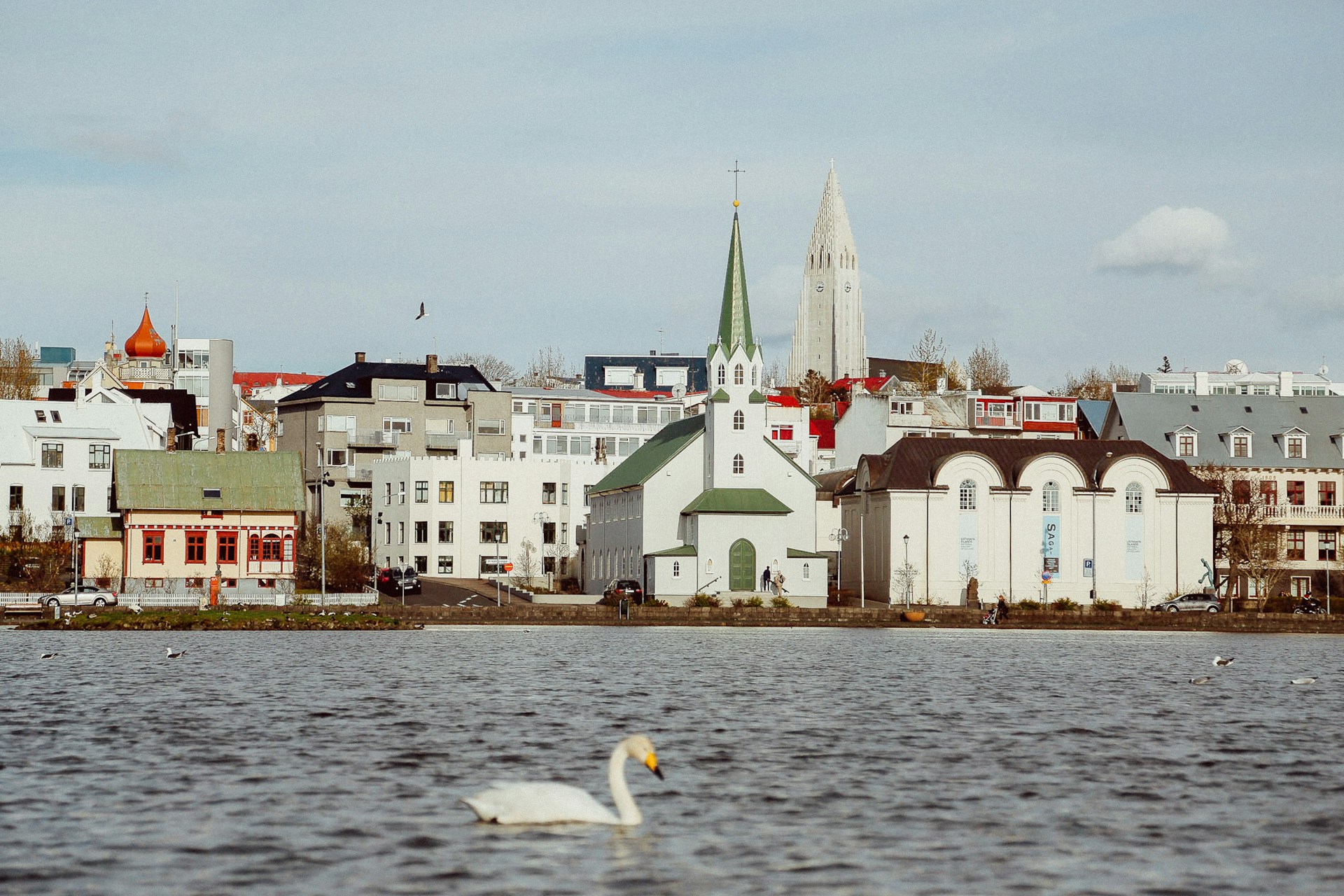
Most tourists skip cemeteries entirely, so this peaceful spot stays nearly empty. History buffs can pay their respects at Sigurðsson's grave, marked simply despite his legacy. Locals often walk here for quiet reflection rather than sightseeing. It sits a short walk from the Pond and City Hall.
7. Viðey Island's Short Ferry Ride from Downtown
A ferry from the Old Harbor reaches Viðey Island in about 20 minutes. Ferry schedules vary by season, with daily departures during summer and more limited service during the rest of the year. Outside of summer, ferries leave instead from Skarfabakki pier and only on weekends. Nature lovers can wander car-free trails on an island where no one lives year-round.
Few tourists make the trip, which keeps the island calm even in summer. The island holds Yoko Ono's Imagine Peace Tower, walking paths, and open bay views. On clear nights, its dark skies make it a solid spot for the northern lights. Wear sturdy shoes, since the paths cross uneven volcanic ground.
8. Grótta's Lighthouse at the City's Edge
Grótta sits at the western tip of Seltjarnarnes, about a 10-minute drive from downtown. A small lighthouse marks the point, surrounded by tidal flats and seabird nesting grounds. The lighthouse's open western view, away from downtown's city lights, makes it a solid spot for sunsets or the aurora.
Most visitors never leave downtown, so this lighthouse stays off typical walking routes. The area closes each year from 1 May through 15 July for the nesting season. Outside those months, it offers open views of the bay, a short escape from downtown's busier streets. Check tide times before crossing, since the causeway floods at high tide.

When Is the Best Time to Visit Reykjavik's Hidden Gems?
The best season to visit depends on whether you want dark skies or long daylight. Winter, from November through February, brings long, dark evenings ideal for spotting the northern lights, with daytime temperatures ranging from 32°F (0°C) to 39°F (4°C). Summer's nearly endless daylight means evening visits to these hidden gems feel just as bright as midday.
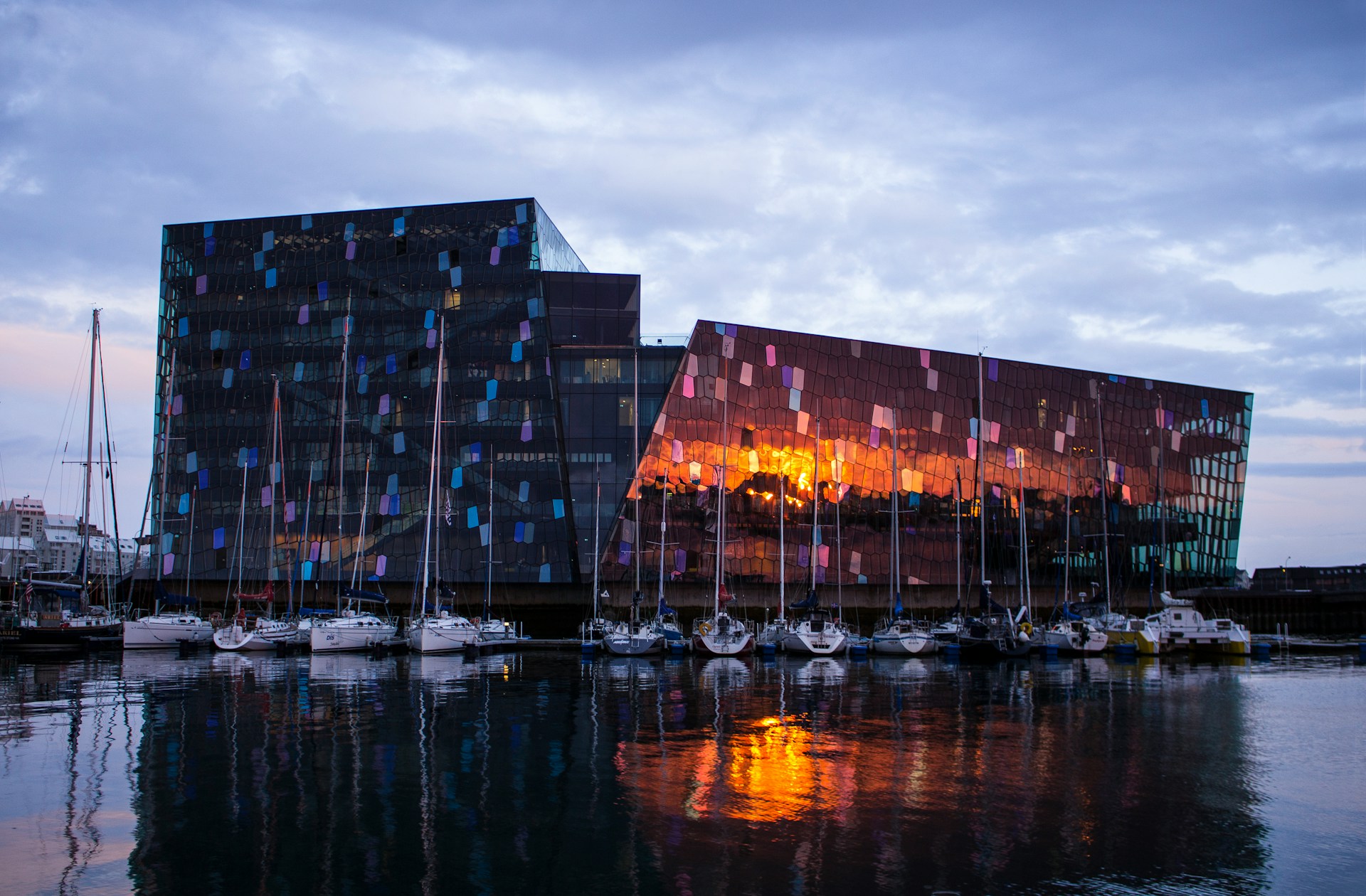
Every spot on this list stays open all year except Grótta, which closes for the nesting season. The Old Harbor area also sits close to Harpa Concert Hall. Even if you are not attending a concert, this hall is worth visiting for its striking glass architecture. Its honeycomb glass facade catches different light throughout the day, even outside performance times.
Tips for Exploring Reykjavík's Hidden Gems Like a Local
A few simple habits make these eight spots easier to find on your own. These habits come from how locals actually move through the city.
Walk first, since downtown stays compact and most of these spots sit within 20 minutes of each other.
Visit Kolaportið early on a Saturday or Sunday for the widest selection of stalls.
Check opening hours before visiting museums such as the Icelandic Punk Museum, as they vary by season.
Pack layers, since Reykjavík's weather can shift within a single afternoon.
These hidden gems pair well with a meal at the right spot. Locals tend to skip tourist menus, so it helps to know where locals eat in Reykjavík first.
A Central Base for Exploring Reykjavík's Hidden Gems
Exeter Hotel is located at Tryggvagata 12, close to the Old Harbor and Laugavegur in Reykjavík. Guests can start with breakfast at the in-house bakery, Deig, before heading out to explore.
Le Kock and Tail, the hotel's cocktail bar downstairs, makes for an easy stop after a full day of sightseeing. Anyone still weighing where to stay in Reykjavík for first-timers will find that a harbor-adjacent base saves travel time.

The Reykjavík Hidden Gems Worth Remembering
Reykjavík's hidden gems give visitors a fuller picture of the city beyond its famous landmarks. From a 1930s pool to a quiet island ferry, each spot skips the usual itinerary. Staying near the harbor, close to the Exeter Hotel, keeps most of these places a short walk away. Spend a little time beyond the main attractions, and the city's everyday side comes into view.
Whether you have a single afternoon or several days in Reykjavík, these hidden gems reveal the quieter side of the city. Slow down, wander beyond the busiest streets, and you'll discover the places many visitors never see.
FAQs
How do you get around Reykjavík without a car?
Reykjavík's Strætó buses use the Klappið app and reach most neighborhoods. Downtown stays walkable, so a car isn't needed for these hidden gems.
Is Uber or Lyft available in Reykjavík?
No. Uber and Lyft do not operate in Iceland. Visitors can book taxis through local providers such as Hreyfill or use taxi-booking apps like Hopp where available.
Does a Reykjavík City Card cover any of these hidden gems?
The Reykjavík City Card includes the Viðey ferry and free city buses around town.
When is the best time to visit Reykjavík's hidden gems to avoid crowds?
Early mornings and weekday visits offer the quietest experience at most Reykjavík hidden gems. Kolaportið and Viðey Island get busiest on summer weekends and early afternoons.
Is the Icelandic Punk Museum suitable for kids?
The museum welcomes all ages, but its small, dim space suits older kids better than young children.



