See the northern lights from Reykjavík with this local guide to timing, forecasts, and viewing spots. Learn when aurora activity peaks and where to look.

If you are hoping to see the northern lights from Reykjavík, timing matters more than luck. Iceland lies beneath or near the auroral oval, where a clear, dark night can fill the sky with color. Solar activity remains strong through 2026, as the sun's eleven-year cycle remains at its active peak. This gives travelers a limited time window before the activity begins to fade.
This guide covers when to go and how to read the aurora forecast. It also covers where to stand once you step outside.
What Causes the Northern Lights
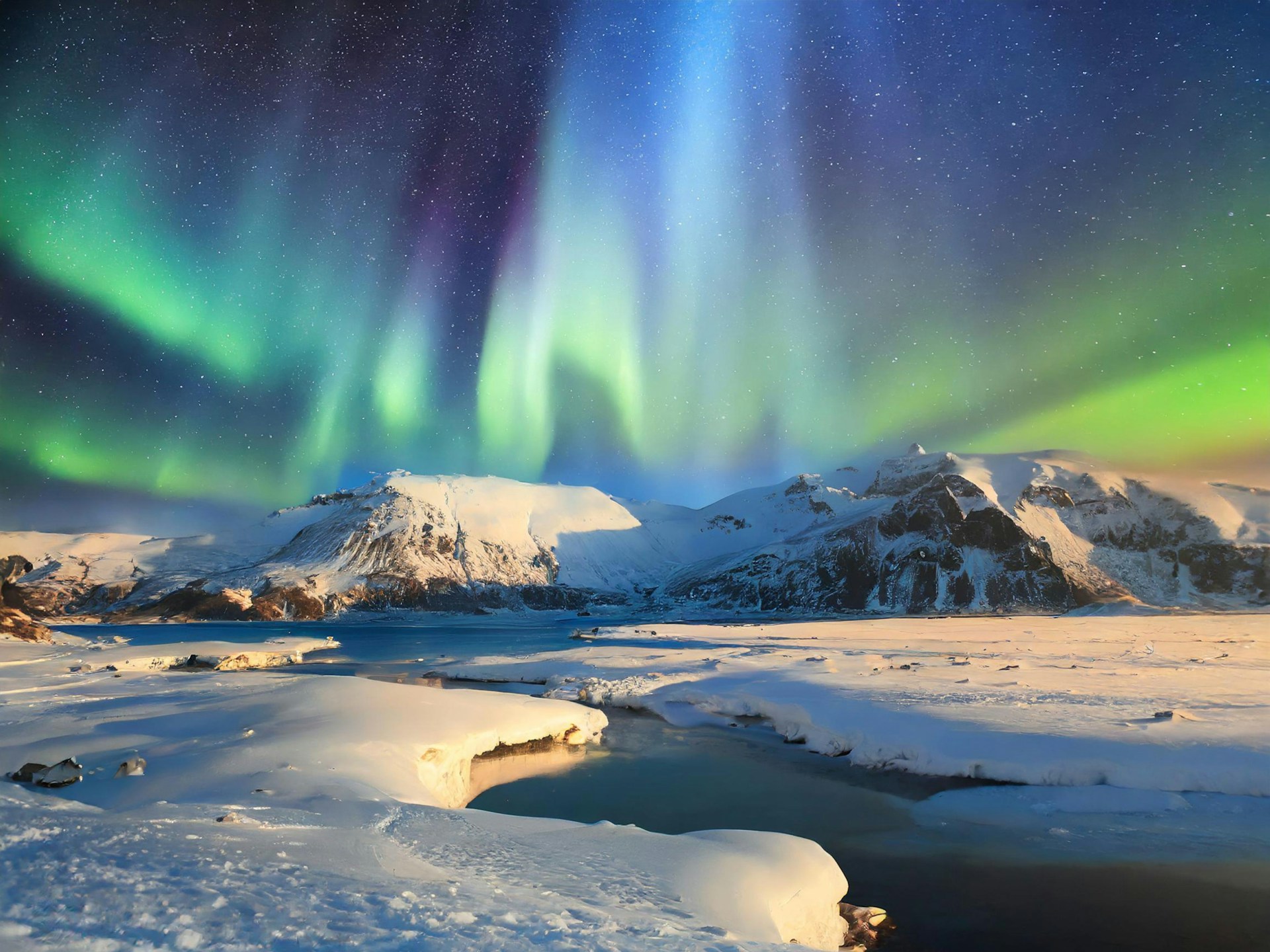
The aurora borealis begins about 93 million miles away, on the surface of the sun. Solar flares send charged particles from the sun racing toward Earth on the solar wind. When those particles hit our planet's magnetic field, they get pulled toward the poles. There, they collide with oxygen and nitrogen gases high in the atmosphere.
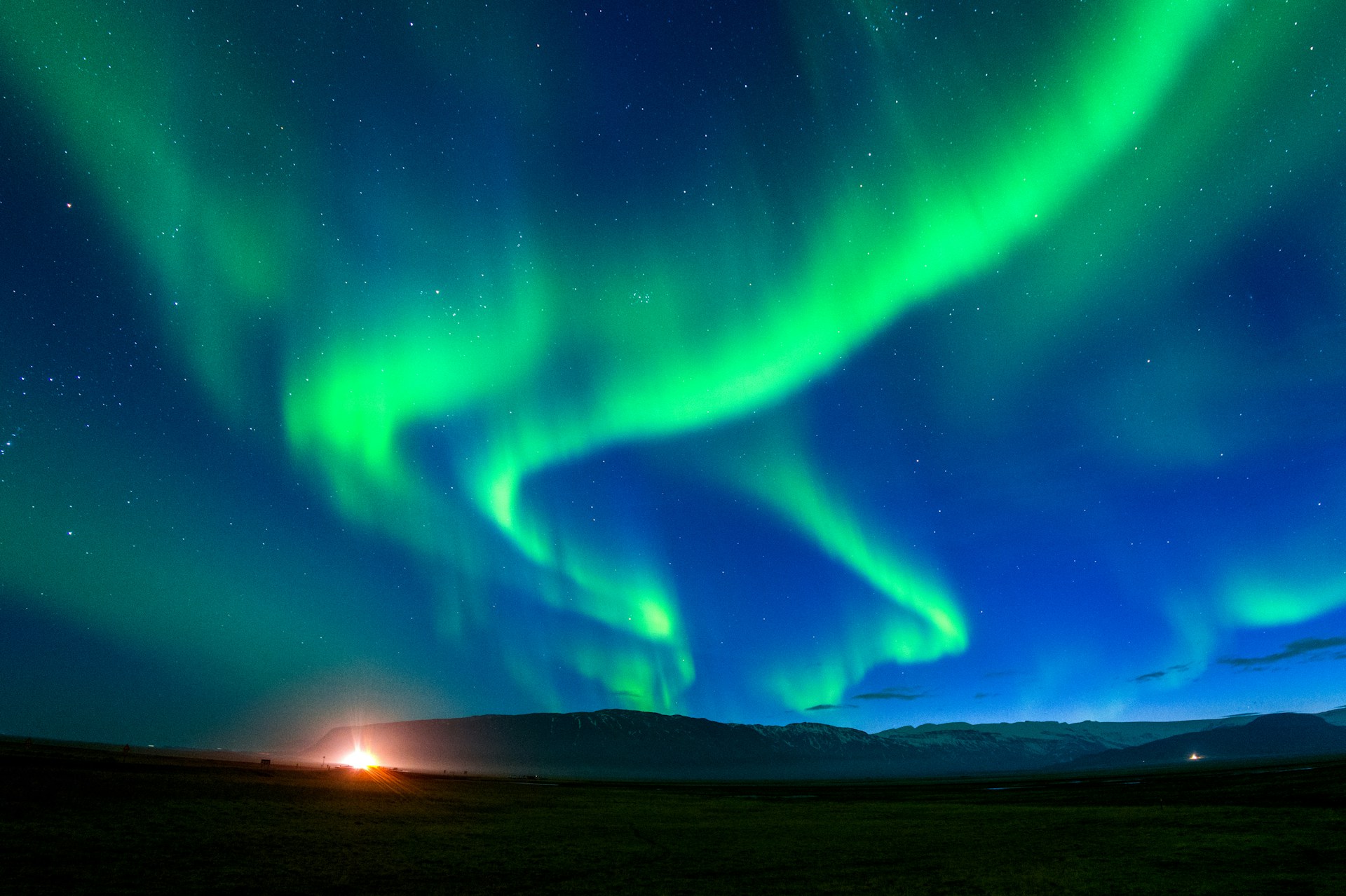
That collision is what releases light, most often green. Red, purple, and blue can also appear depending on altitude, atmospheric gases, and the strength of the aurora. Iceland sits at roughly 64 degrees north, almost directly beneath this auroral activity. That is why the aurora borealis in Iceland appears more often here than in countries like the United Kingdom or Germany.
Best Time to See the Northern Lights from Reykjavík
The aurora season in Iceland runs from late August through mid-April. These months have nights long enough and dark enough for viewing. Outside this range, extended daylight and summer twilight keep the sky too bright to see the stars, even when the aurora is active overhead.
March and September
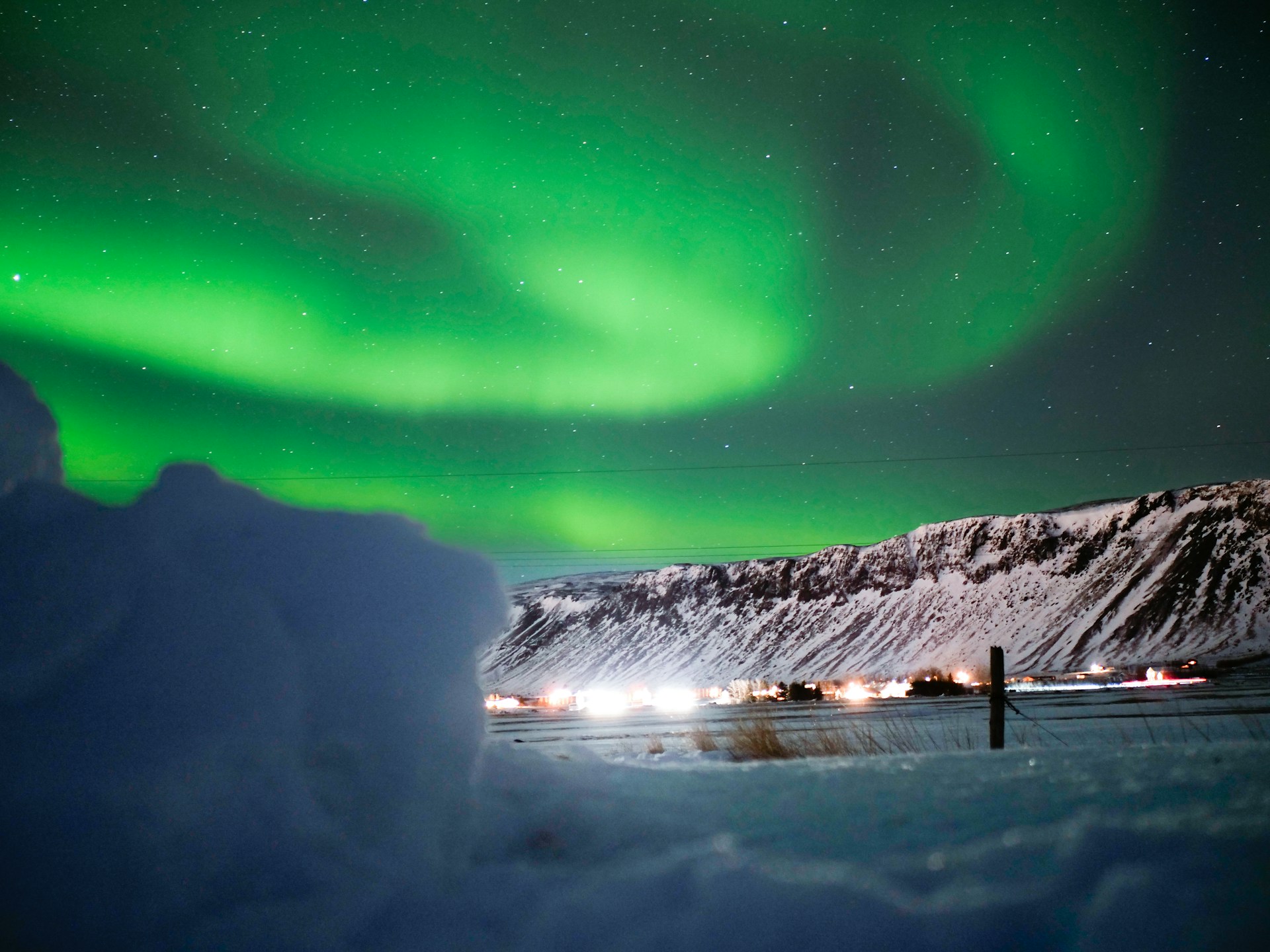
March and September offer the strongest odds, since both sit close to the equinoxes. Near these dates, Earth's magnetic field aligns more directly with the solar wind. Geomagnetic storms tend to peak around these two months. If your travel dates are flexible, this is when your chances of seeing the northern lights in Iceland are highest.
December through February
Midwinter, from December through February, still offers up to 20 hours of darkness a night. That extra darkness works in your favor, even on nights when geomagnetic activity is quieter. A clear, moonless night in any of these months can still produce a strong, multicolored display.
Reading the Aurora Forecast
A handful of factors decide whether tonight is a good night to head out on a northern lights hunt. Knowing these before you leave saves a wasted trip into the cold.
Cloud cover: Shows where the sky should stay clear over the next three nights, based on the Icelandic Meteorological Office forecast map.
Kp index: A scale from zero to nine that measures geomagnetic activity. A Kp of three or higher means a visible aurora is likely, and anything above five signals a strong storm.
Forecast window: Shows broad trends up to three days out, but you must check again on the exact evening you plan to go out.
Light pollution maps: Show how much city glow will wash out a faint aurora.
Moon phase: A new moon gives you a darker sky than a full moon does.
None of these tools guarantees a sighting. Solar activity can shift within hours. Checking the forecast again right before you head out gives you the most accurate picture.
Where to Watch the Northern Lights from Reykjavík
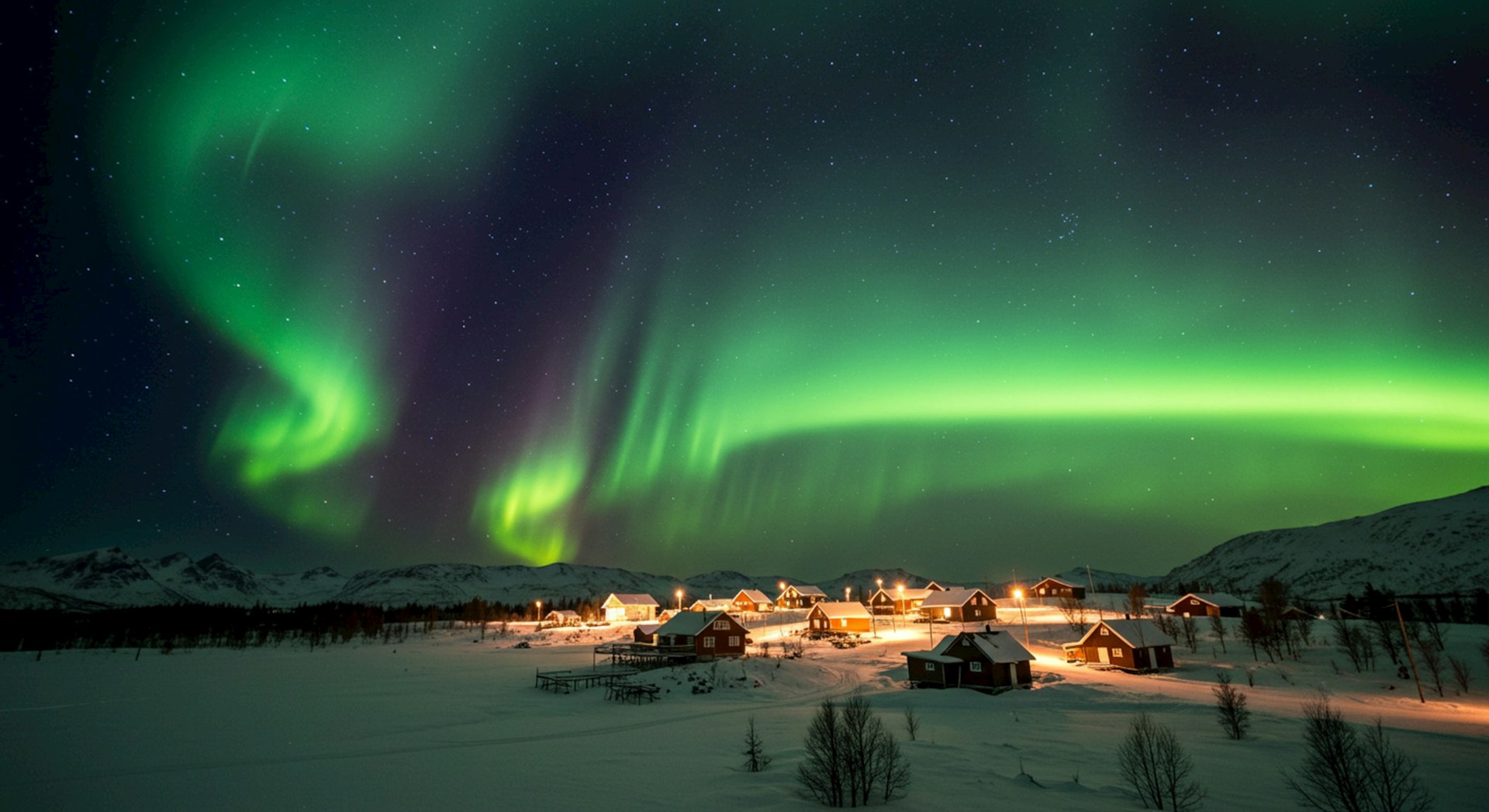
Reykjavík sits under more city lights than the open countryside. Downtown views are dimmer than views from unlit areas outside the city. Still, you don't have to leave the city entirely. A handful of viewing spots around the capital, including a few Reykjavik hidden gems, offer dark enough skies for a real chance at a sighting.
Grótta Nature Reserve: This spot on the Seltjarnarnes peninsula sits past the edge of city glow, with open water views in three directions.
Öskjuhlíð Hill: Near the Perlan Museum, this hill has wooded clearings that block streetlights from the nearby roads.
Ægisíða Shoreline: This waterfront path along the south coast faces the open sea, with houses on one side and an unobstructed sky on the other.
If the forecast looks strong and you have a rental car, drive 40 to 50 minutes toward Þingvellir National Park. Hvalfjörður takes closer to an hour but works just as well. Many visitors also build a stop at the Golden Circle into their aurora hunt. The route passes several unlit roadside pullouts with wide, open views of the sky.
Northern Lights Tours from Reykjavík
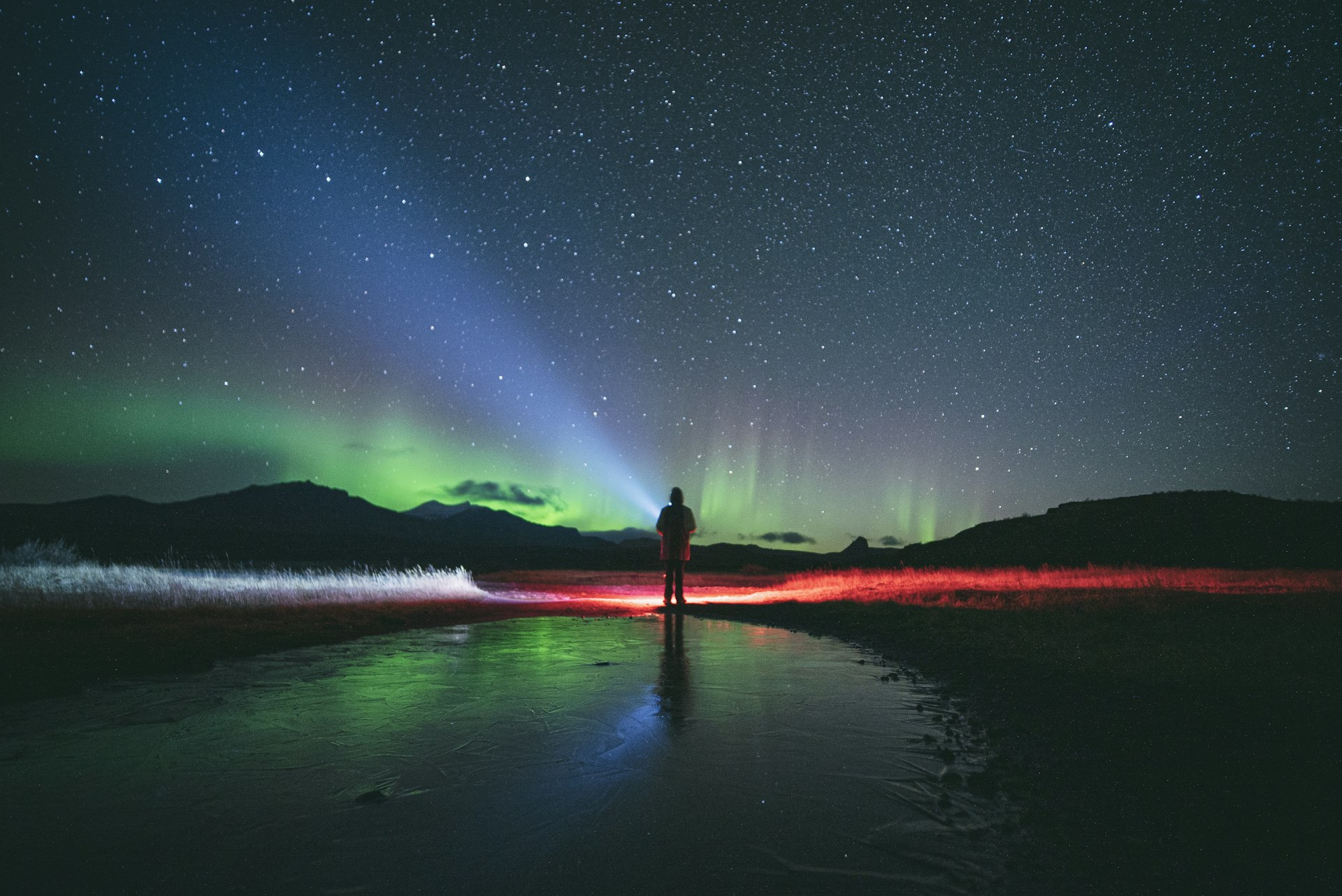
Booking one of the northern lights tours from Reykjavík puts a local guide in charge of finding clear, dark skies. Guides check the aurora forecast in real time and reroute the bus or van toward the open sky. That habit matters, since cloud cover can shift within an hour on a winter night.
Tour Type | Best For | What to Expect |
Small group bus tour | First-time visitors without a car | Guide-led stops at known dark-sky spots outside the city |
Boat tours | Travelers who want open horizons | Aurora viewing from the water, away from coastal light pollution |
Self-drive tour | Independent travelers with a rental car | A flexible route with countryside stops along the way |
Most tours spend two to four hours outdoors watching the sky. Many also offer a second night out at no extra cost if the lights from Reykjavík don't appear on the first try. That backup policy is worth checking before you book, since clear skies are never guaranteed this far north.
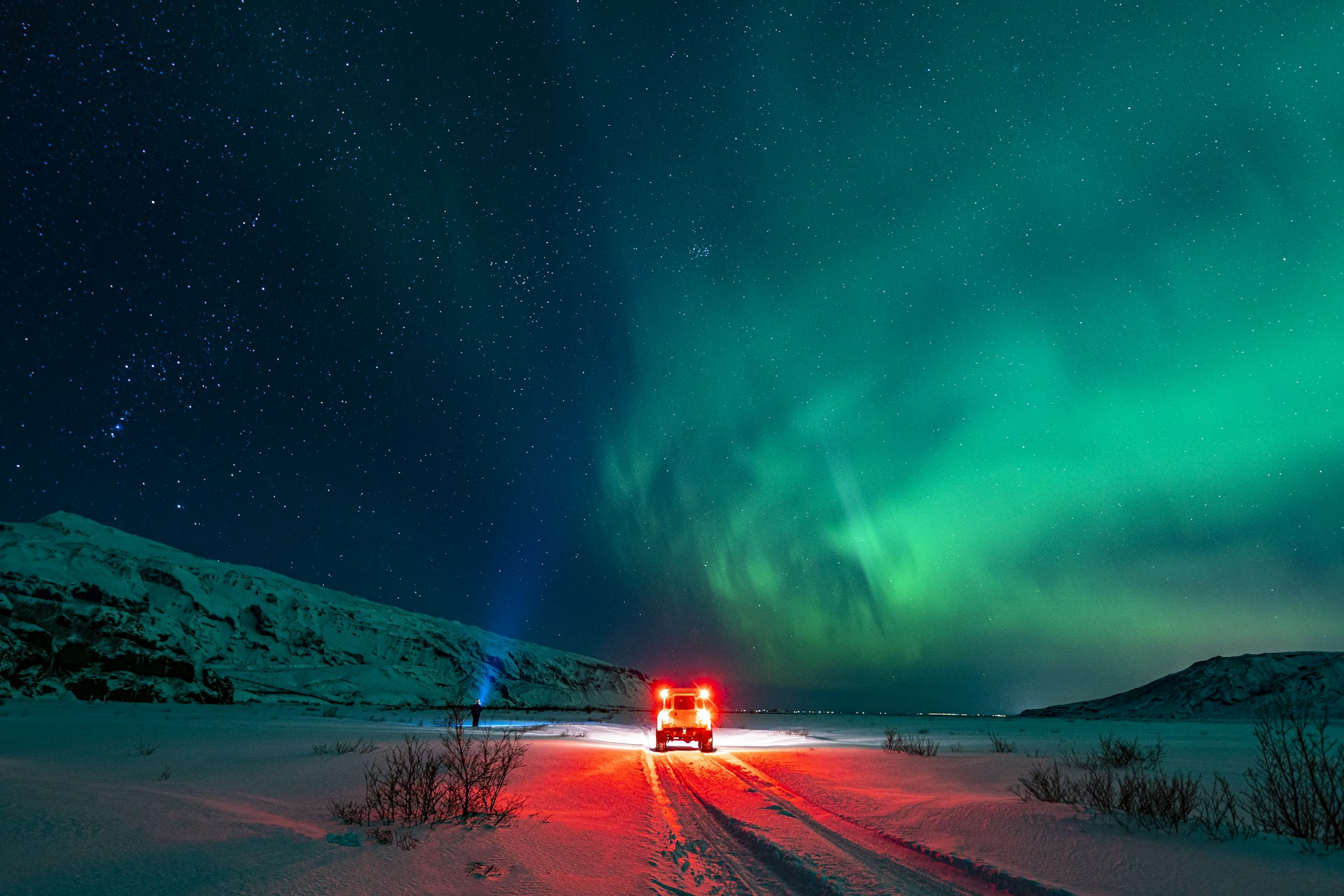
Tips for a Successful Aurora Hunt
Patience alone will not guarantee a sighting of the aurora borealis in Iceland. These four habits give you a real edge once you are out in the dark.
Dress in warm, windproof layers. Standing still outside at 23°F (-5°C) feels far colder once the wind picks up.
Plan for three or four nights in Reykjavík rather than just one, since clouds can block even a strong Kp 5 storm.
Check the forecast again within an hour of heading out, since the three-day outlook often shifts.
Let your eyes adjust to the dark for at least 10 minutes before deciding the sky is empty.
Why Exeter Hotel Works for Northern Lights Viewing
Where you sleep affects how quickly you can reach a dark patch of sky. Exeter Hotel sits at Tryggvagata 12, a five-minute walk from the Old Harbor waterfront. Aurora hunting right outside the hotel is not realistic, since downtown lighting washes out fainter displays, but open water and a darker sky sit a short walk away.
A Base for Both Day and Night
The location also puts a full day of activities within easy reach of the same base. Mornings start at the in-house bakery, Deig, and evenings often end with a burger at Le Kock. A drink at Tail rounds out a long night of aurora watching.
Guests who get cold during a long aurora hunt can warm up in the on-site sauna before heading back out.

Reaching the Dark-Sky Spots
Öskjuhlíð Hill sits about 2.7 kilometers (1.7 miles) from the hotel, a 35- to 40-minute walk or a short taxi ride. For visitors without a rental car, this downtown base still keeps the dark-sky spots within easy reach. If you are weighing where to stay in Reykjavík without a car, a central location like this one reduces planning and transit time.
What Else Is Nearby
Beyond the aurora itself, the neighborhood has plenty to fill the hours before your next sky check, including three museums, a concert hall, and a shopping street. When it's time to eat, our local restaurant recommendations in Reykjavik will point you somewhere good nearby.
Your Next Clear Night in Reykjavík
Seeing the northern lights from Reykjavík takes good timing, a forecast check, and patience after your usual bedtime. Pair a few patient nights with a comfortable, central base, and your odds improve considerably. A stay at a downtown hotel near the Old Harbor keeps you close to dark-sky spots. It also gives you a warm place to return to once the show ends.
FAQs
What is the best month to see the northern lights from Reykjavík?
March and September give the strongest odds, thanks to the equinox effect on geomagnetic activity. Both months also offer long enough nights for solid viewing windows.
Do you need a tour to see the northern lights near Reykjavík?
No, but a tour with local guides saves time, since they already track the aurora forecast. Independent travelers with a rental car can easily reach similar dark-sky spots on their own.
What does the Kp index measure?
The Kp index rates geomagnetic storm strength on a scale from zero to nine. A reading of three or higher usually indicates a good chance of seeing the aurora with the naked eye.
Is 2026 a good year for northern lights in Iceland?
Yes, solar activity remains elevated following the recent solar maximum, with more frequent aurora displays as a result. Activity is expected to stay strong through at least the next year or two.
What should I wear for a northern lights hunt?
Warm, windproof, waterproof layers make the biggest difference, along with insulated boots and gloves. Standing still in cold wind takes more warmth than walking around in daylight.



