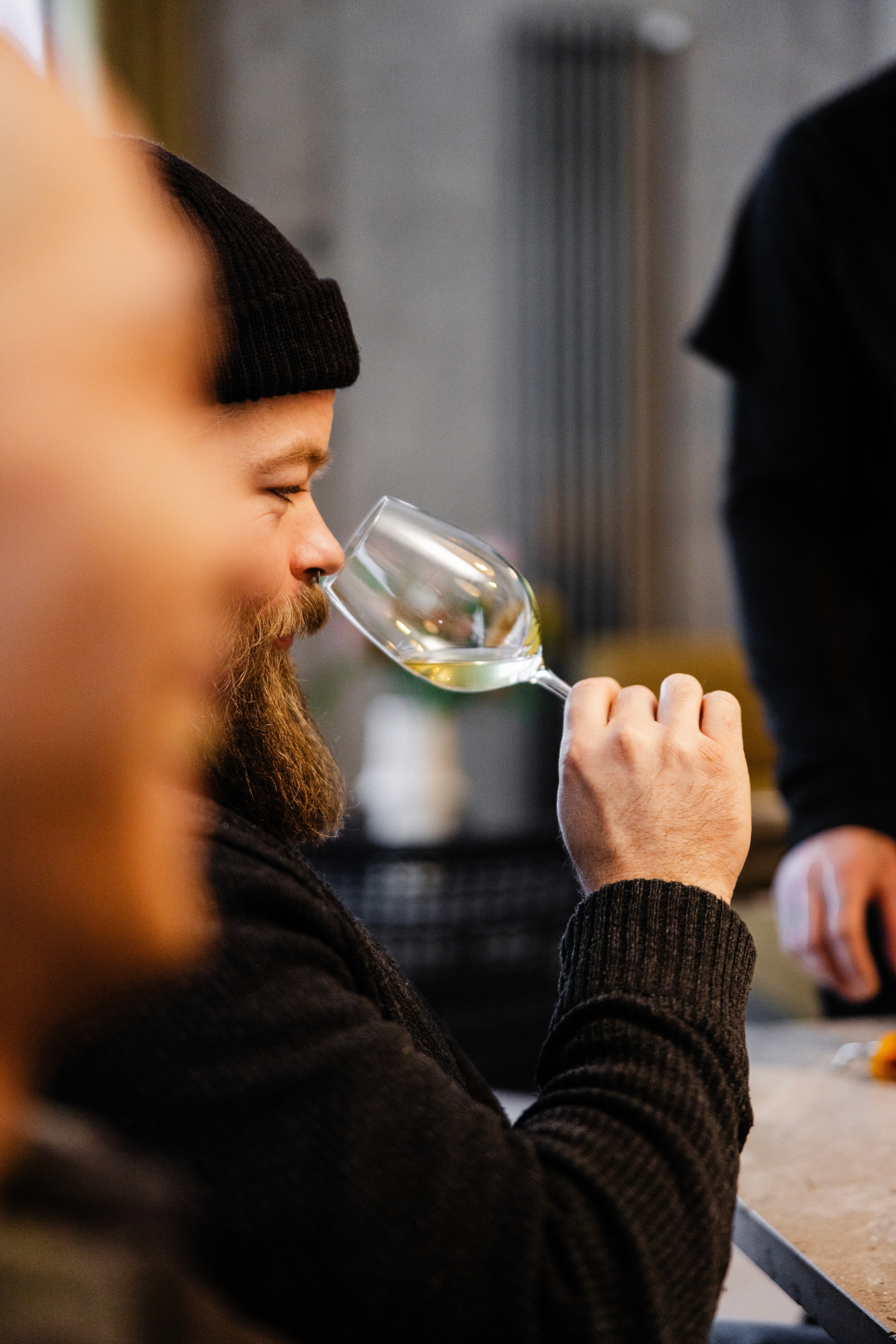
This tasting compares two expressions of the same grape: one from a low-intervention natural winery and one from a large-scale conventional producer.
Participants will discover how vineyard practices and winemaking philosophy shape aroma, texture, and structure.
This tasting demonstrates how the same grape variety can tell two completely different stories.
Wines to be tasted
Natural Sauvignon Blanc (organic/biodynamic vineyard, native yeast fermentation, minimal sulfur)
Conventional Sauvignon Blanc (controlled fermentation, cultured yeast, technological stabilization)
Educational focus
Vineyard practices: biodiversity vs chemical crop protection
Native yeast vs commercial yeast
The role of sulfur
Expression of terroir vs stylistic consistency
Skills developed
Aromatic recognition (herbaceous, tropical, mineral notes)
Identifying texture differences
Understanding balance and acidity
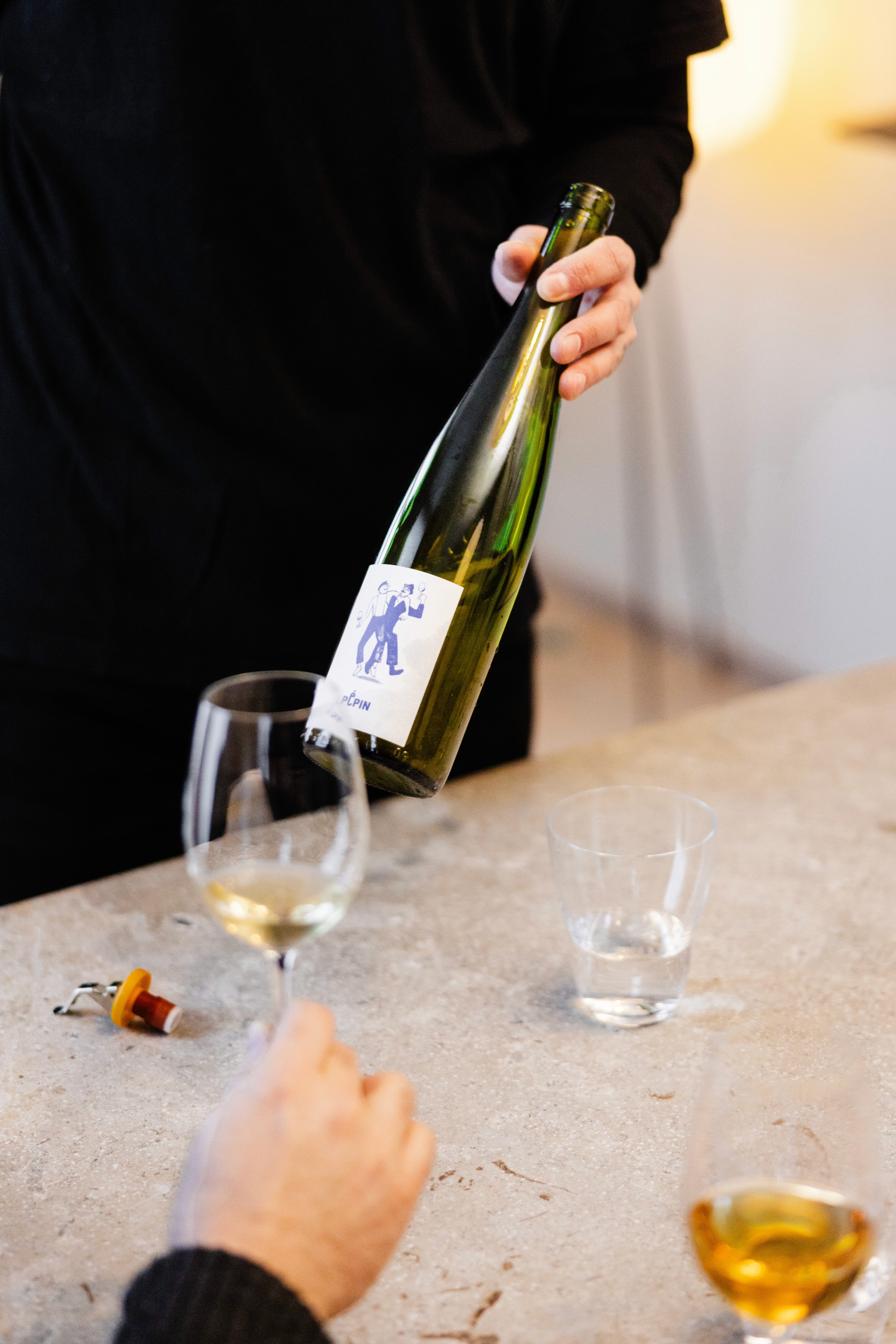
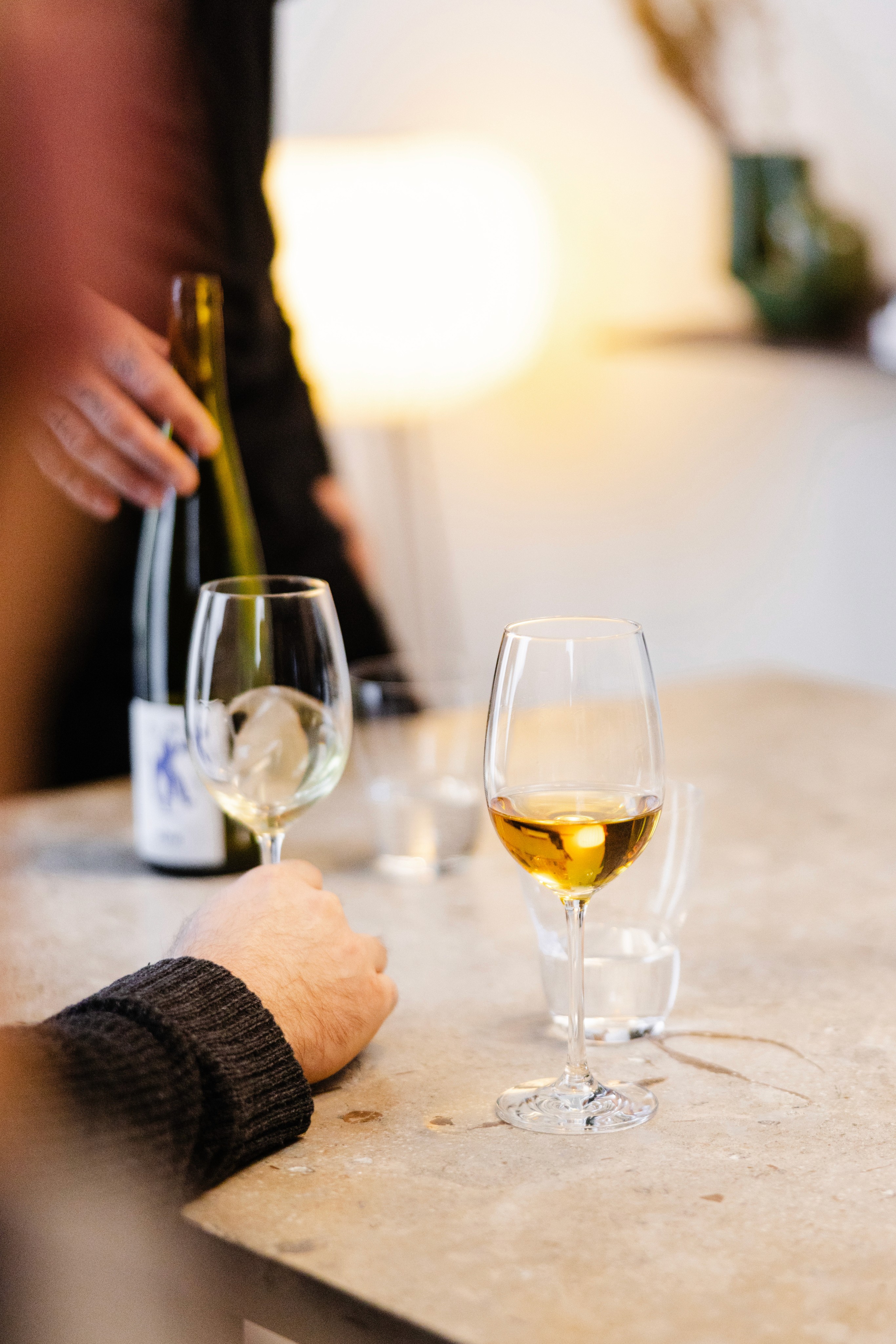
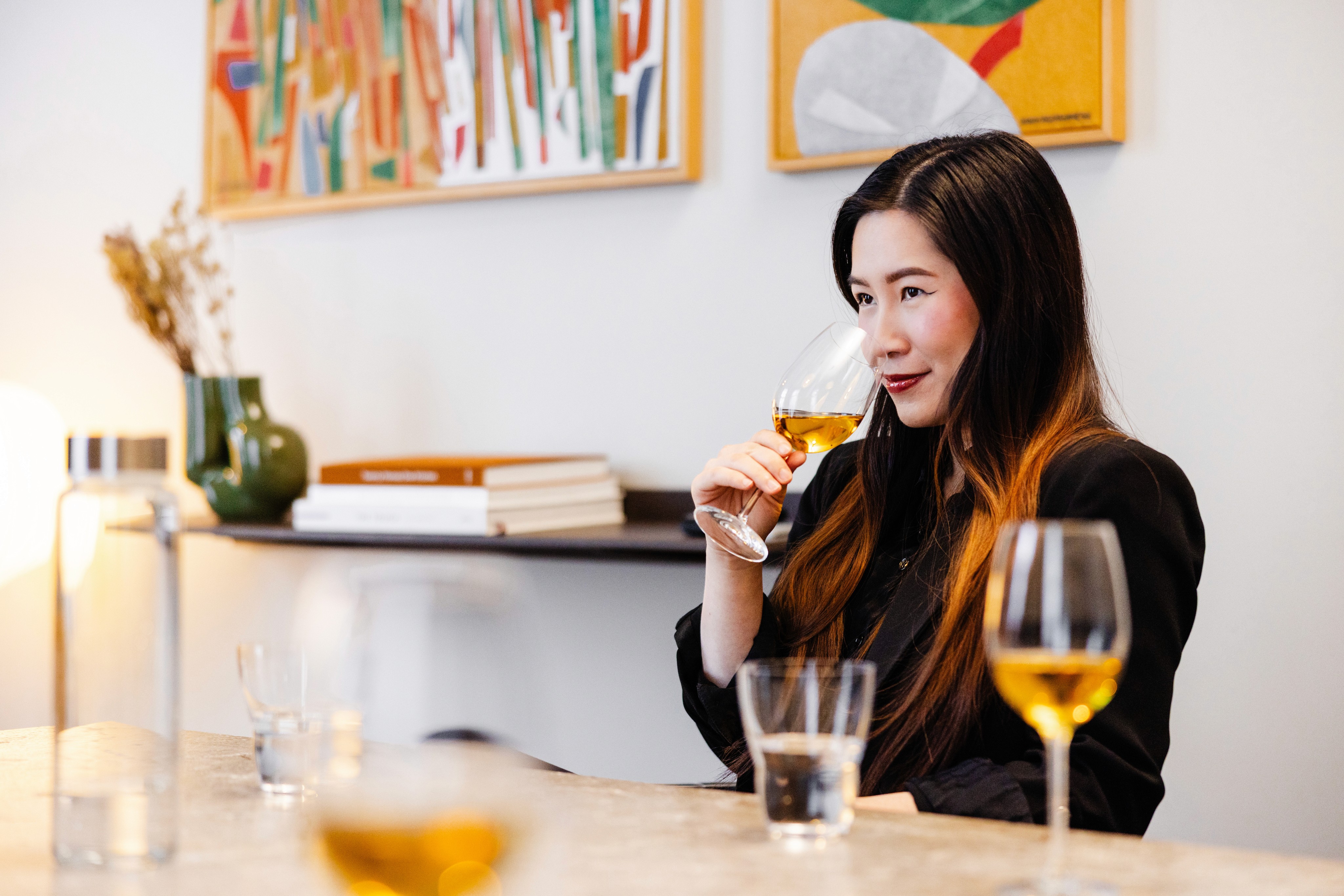
A dynamic comparison of sparkling wine philosophies.
We explore the ancestral method versus the traditional and Charmat methods, highlighting how technique influences bubbles, texture, and flavor.
This tasting appeals strongly to hospitality professionals who want to understand sparkling wine diversity beyond marketing labels.
Wines to be tasted
Pet-Nat (ancestral method, minimal intervention)
Prosecco (Charmat method)
Cava (traditional method)
Champagne (traditional method, extended lees aging)
Educational focus
Secondary fermentation: bottle vs tank
Dosage and sugar levels
Bubble size and mouthfeel
Aging on lees
Participants will learn
Why Pet-Nat often appears cloudy and vibrant
Why Champagne has finer bubbles and brioche notes
Why Prosecco is fruit-driven and fresh
A highly interactive sensory workshop designed to demonstrate that wine tasting is primarily about smell and structure, not color.
All wines are served in black glasses to eliminate visual cues.
Participants experience firsthand how removing sight enhances concentration and aromatic sensitivity.
Wines to be tasted
4–6 aromatic wines (e.g. Sauvignon Blanc, Gewürztraminer, Chardonnay, Pinot Noir, Cabernet Sauvignon)
Educational focus
Aromatic identification
Structure analysis (acidity, tannins, alcohol)
Recognizing grape typicity
Breaking psychological bias linked to color
This tasting focuses on vineyard philosophy and its impact on wine character. We compare one organically or biodynamically farmed wine with a conventionally farmed counterpart from the same grape or similar region.
Wines to be tasted
Natural or organic Pinot Noir / Tempranillo / Syrah
Conventionally produced equivalent
Educational focus
Soil health and biodiversity
Chemical treatments vs ecological balance
Vintage expression

