Icelandic Christmas Traditions to Discover During Your Reykjavík StayIcelandic ChristmasTraditionsto DiscoverDuringYour ReykjavíkStay
Discover Iceland Christmas traditions, from the Yule Lads to festive foods and book-giving. Learn how to experience these local customs during your Reykjavík stay.
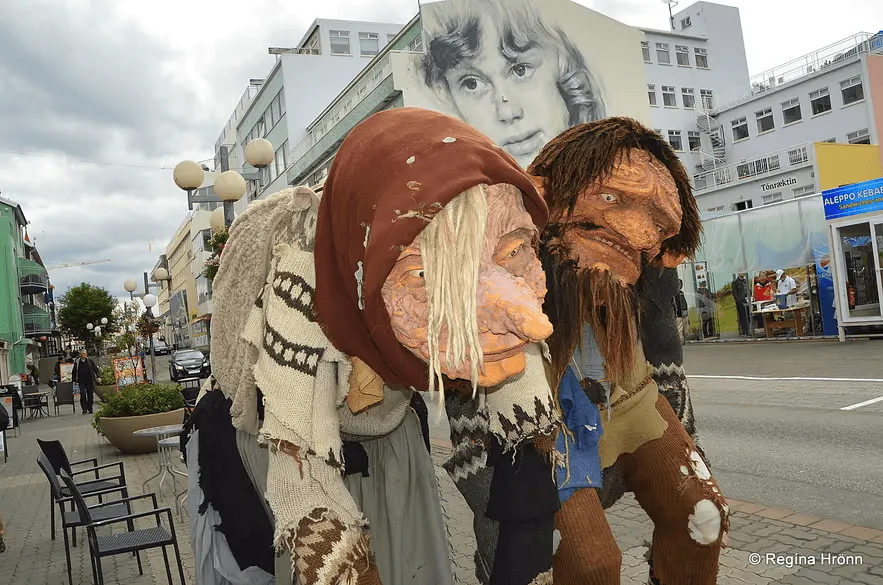
Christmas in Iceland is full of charming traditions, from mischievous Yule Lads to delicate leaf bread and a love of books. While many of these customs are enjoyed at home, there are ways to experience Icelandic Christmas traditions during your Reykjavík stay. Festive treats, twinkling lights, and local events across the capital make the holiday season all the more special.
What Are the Main Christmas Traditions in Iceland?
Icelandic Christmas traditions are a mix of folklore, religious history, family gatherings, local food, and modern customs. Instead of squeezing all the festivities into one weekend, Icelanders celebrate throughout the holiday season. Advent builds toward Christmas Eve on December 24, when many families gather for festive meals and gift-giving. The Christmas season then traditionally wraps up with Þrettándinn on January 6th.
Here’s a quick look at some of Iceland’s best-loved Christmas traditions and how you can experience them during your Reykjavík stay.
Tradition | Description | When | The Experience |
|---|---|---|---|
13 Yule Lads | Mischievous gift-givers from Icelandic folklore | December 12–24 | Spot public appearances and festive displays |
Jólabókaflóð | Christmas publishing and book-gifting season | Advent to Christmas | Browse Reykjavík’s bookstores |
Laufabrauð | Decorative Icelandic leaf bread | Before Christmas | Look for public demonstrations or bakery offerings |
Jólaglögg | Warm, spiced seasonal drink | Advent | Try it at a café or bar |
City celebrations | Public celebrations and seasonal decorations | Advent to December | Walk decorated streets and squares |
Þorláksmessa | Final preparations and fermented skate tradition | December 23 | Soak in the lively downtown atmosphere |
Christmas Eve | Family meals and exchanging gifts | December 24 | Enjoy traditional festive foods and drinks |
Þrettándinn | Traditional end of the Christmas season | January 6 | Attend a public celebration if one is scheduled |
Top 8 Iceland Christmas Traditions Worth Discovering
Part of the charm of visiting Iceland during the holidays is experiencing the many festive traditions first-hand. From centuries-old legends to cozy literary customs, here are some of the most Icelandic traditions worth exploring during your Reykjavík stay.
1. Jólasveinar: Iceland’s 13 Mischievous Yule Lads
Instead of just one Santa Claus, Iceland has 13 Yule Lads or the Jólasveinar. According to folklore, these mischievous brothers descend from the mountains one by one, from December 12 through Christmas Eve. Each has a distinct personality and a habit of causing minor household chaos. There’s Þvörusleikir (Spoon-Licker), for example, and Gluggagægir (Window-Peeper).
Many Icelandic children still leave a shoe on their bedroom windowsill each night during this period. As the story goes, well-behaved children wake up to small treats or gifts in their shoes. On the other hand, those who misbehave might find a raw potato instead.
The Yule Lads are also part of a larger folklore family. Their mother is Grýla, a famously fearsome giantess. Jólakötturinn (the Yule Cat) is a gigantic feline said to prey on those who don’t receive new clothes for Christmas.
Although these are legendary characters, they’re very much part of modern Iceland Christmas traditions. Travelers in Reykjavík can look out for public Yule Lad appearances and festive displays inspired by these mischievous figures.
2. Jólabókaflóð: Iceland’s Christmas Book Flood
Literally translating to the “Christmas Book Flood,” Jólabókaflóð is a reflection of the country’s shared love of literature. In the months leading up to Christmas, Icelandic publishers release a large share of their new titles for the year. A catalog called Bókatíðindi (Book Bulletin) is even distributed to households, showcasing the latest releases.
Many of these books end up as Christmas gifts for family and friends. Exchanging books on Christmas Eve is a cherished custom, with some people spending part of the evening reading their new gifts.
While family traditions vary, visitors can easily join in the spirit of Jólabókaflóð. Drop by a local bookstore downtown, pick up an Icelandic novel or a translated work, and enjoy a quiet evening with a good story. After exploring Reykjavík’s winter streets, there’s no better excuse to get cozy in one of the rooms and suites at Exeter with a new book.

3. Laufabrauð: The Art of Icelandic Leaf Bread
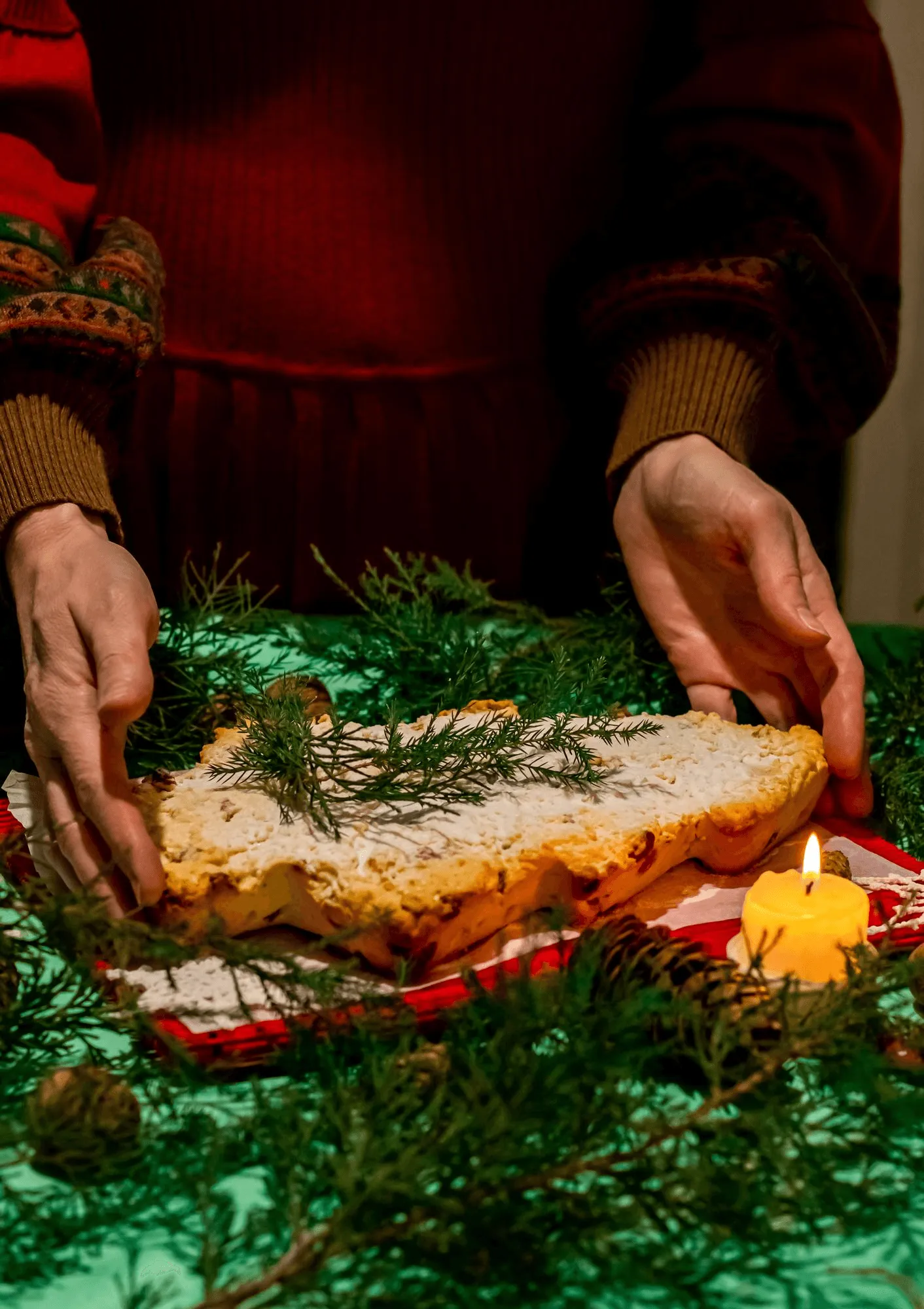
Laufabrauð, or leaf bread, is a traditional wafer-thin, crispy fried bread decorated with intricate geometric patterns. The tradition has strong roots in northern Iceland, where flour was once a scarce commodity. Rolling the dough paper-thin helped make the most of limited ingredients, while the delicate cutouts turned each piece into something special.
Making laufabrauð remains a cherished pre-Christmas family activity in Iceland. The patterns are carefully carved using sharp knives or special cutting wheels (laufabrauðsjárn). Once decorated, the dough is briefly fried in oil or fat until crisp and golden. The finished bread is often served alongside traditional Christmas dishes such as smoked lamb.
Visitors can get a closer look at this culinary craft by checking for seasonal bakery offerings or public demonstrations. For example, Árbær Open Air Museum hosts Christmas programs where visitors can watch traditional leaf-bread decorating in action.
4. Jólaglögg: A Warming Christmas Drink
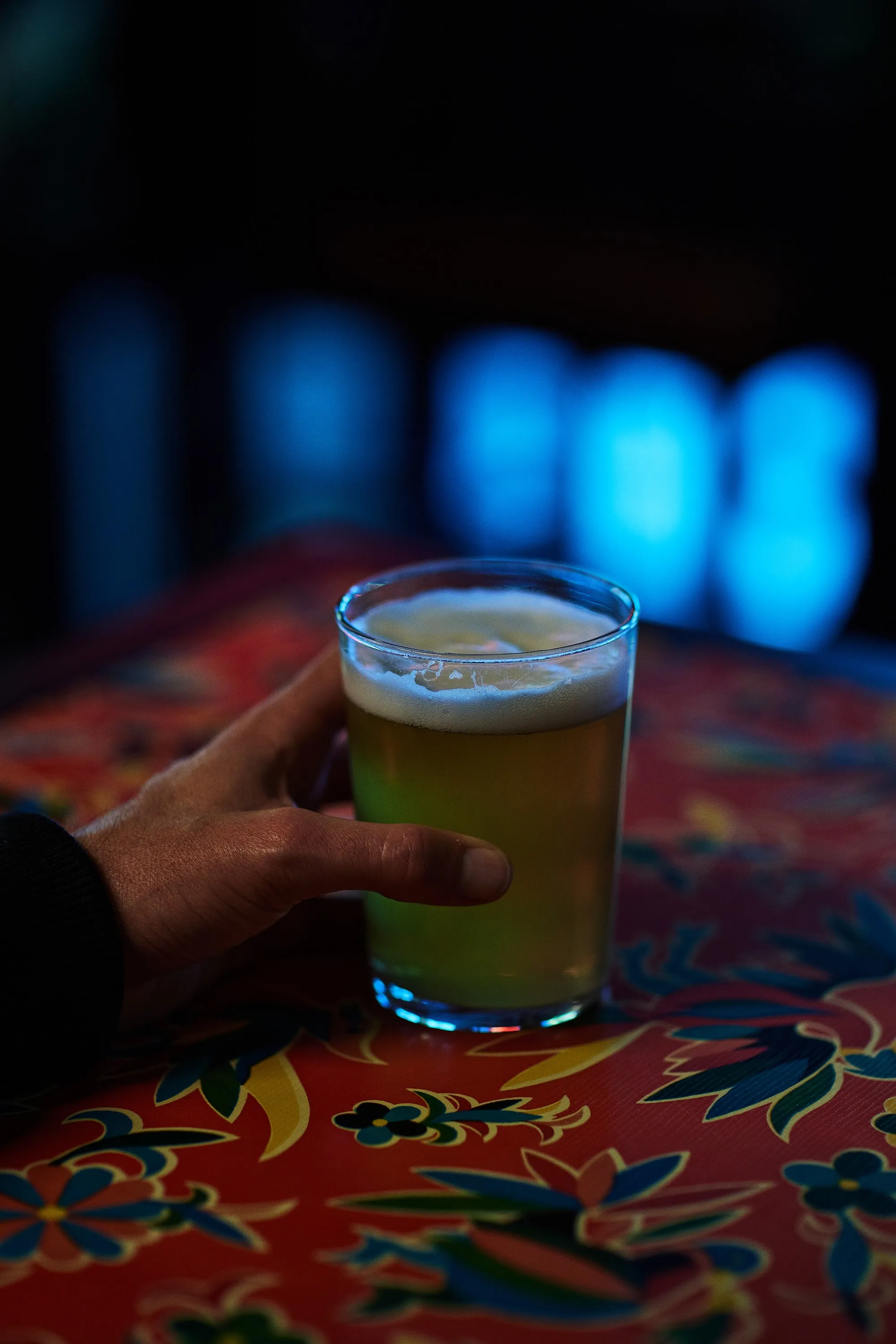
On chilly winter afternoons, jólaglögg offers a comforting way to warm up after exploring Reykjavík. It is part of the wider Nordic tradition of glögg or mulled wine. This seasonal drink is typically made with red wine, sugar, and aromatic spices such as cinnamon, cloves, and cardamom. Some versions also include orange peel, raisins, or slivered almonds.
Alcohol-free versions made with spiced fruit juice are also available, so you don’t have to drink wine to enjoy the tradition. Look for jólaglögg on seasonal café and bar menus, where a warm cup is a welcome break from the winter chill.
5. Christmas Lights and Public Festivities in Reykjavík
Downtown Reykjavík gets a festive makeover during the holidays, with twinkling lights decorating streets, shops, and public squares.
One of the main gathering spots is Austurvöllur, home to the traditional Oslo Christmas Tree, a symbol of friendship between Reykjavík and Oslo. You might also spot illuminated displays inspired by the Yule Cat around the city. An evening stroll along Laugavegur Street is a lovely way to admire the decorations and do a little Christmas shopping.
There’s more to the season than pretty lights, too. Harpa Concert Hall hosts seasonal performances, while Árbær Open Air Museum offers a glimpse into old-fashioned Icelandic Christmas celebrations on select December dates. Depending on the program, visitors can catch traditional crafts, leaf-bread decorating, and even appearances by the Yule Lads.

6. Þorláksmessa: Iceland’s December 23 Tradition
Observed on December 23, Þorláksmessa honors St. Þorlákur, the patron saint of Iceland. Traditionally a day of final Christmas preparations, it has become one of the liveliest evenings of the holiday season.
The day is strongly associated with eating kæst skata (fermented skate). The fish is traditionally fermented, a process that gives it a distinctive ammonia-like smell and strong flavor. Usually served with boiled potatoes and melted fat, kæst skata tends to divide local opinion. Some Icelanders look forward to the annual feast, while others would rather avoid the lingering smell.
For visitors, Þorláksmessa is also a great time to explore downtown Reykjavík. Many shops stay open late, and the streets fill with last-minute Christmas shoppers and locals catching up with friends. Even if fermented skate isn’t your thing, it’s a wonderful opportunity to soak up the festive atmosphere before Christmas Eve.
7. Christmas Eve: Iceland’s Main Christmas Celebration
In Iceland, the main Christmas celebration takes place on December 24 (Aðfangadagur). Traditionally, festivities begin at 6 PM, marked by church bells ringing across the country. Many families gather for a festive evening meal, followed by the opening of presents.
Traditional Christmas dishes include hangikjöt (smoked lamb), often served with white sauce and green peas, and hamborgarhryggur (glazed pork roast). Another holiday favorite is Malt & Appelsín, a nonalcoholic mix of sweet malt drink and orange soda. This popular Christmas beverage is different from alcoholic seasonal Christmas beers (jólabjór).
Visitors staying in Reykjavík on December 24 should plan ahead. Many shops, attractions, and restaurants close early or remain closed for the evening. Check opening hours and reserve a Christmas Eve dinner in advance if you plan to eat out.
8. Þrettándinn: Saying Goodbye to Christmas on January 6
The Icelandic Christmas season traditionally draws to a close on January 6 with Þrettándinn (Thirteenth Day). According to folklore, the last Yule Lad returns to the mountains on this night. It’s also associated with stories of elves and hidden people (huldufólk) moving between homes.
Some communities mark the occasion with bonfires, torchlight processions, and fireworks. If you’re visiting Reykjavík in early January, check local event listings for public Þrettándinn celebrations. It’s a festive way to say goodbye to Iceland Christmas traditions before the decorations come down.
Simple Ways to Experience Icelandic Christmas Traditions in Reykjavík
You don’t have to look far to get a taste of Icelandic Christmas traditions, especially when you’re staying downtown. Here are a few easy ways to join in the festivities:
Explore festive streets: Take a walk around Austurvöllur Square, admire the Christmas lights, and browse local boutiques along Laugavegur.
Try seasonal dining: Sample traditional Christmas dishes or find local favorites with this guide on where locals eat in Reykjavík.
Embrace the book flood: Stop by a local bookstore, pick up a novel, and spend a cozy evening reading.
Attend a public celebration: Check for museum demonstrations, Yule Lad appearances, or community bonfires happening during your stay.
Explore the historic waterfront: Browse shops around the harbor and discover more things to do near Reykjavík’s Old Harbor.
With its Old Harbor location, Exeter Hotel makes a convenient base for exploring Reykjavík’s festive downtown. Between outings, Deig, Le Kock, and Tail offer easy options for bakery treats, casual meals, and drinks right at the hotel. Just remember to check holiday opening hours before heading out.
Christmas in Iceland is full of charming traditions, from mischievous Yule Lads to delicate leaf bread and a love of books. While many of these customs are enjoyed at home, there are ways to experience Icelandic Christmas traditions during your Reykjavík stay. Festive treats, twinkling lights, and local events across the capital make the holiday season all the more special.
What Are the Main Christmas Traditions in Iceland?
Icelandic Christmas traditions are a mix of folklore, religious history, family gatherings, local food, and modern customs. Instead of squeezing all the festivities into one weekend, Icelanders celebrate throughout the holiday season. Advent builds toward Christmas Eve on December 24, when many families gather for festive meals and gift-giving. The Christmas season then traditionally wraps up with Þrettándinn on January 6th.
Here’s a quick look at some of Iceland’s best-loved Christmas traditions and how you can experience them during your Reykjavík stay.
Tradition | Description | When | The Experience |
|---|---|---|---|
13 Yule Lads | Mischievous gift-givers from Icelandic folklore | December 12–24 | Spot public appearances and festive displays |
Jólabókaflóð | Christmas publishing and book-gifting season | Advent to Christmas | Browse Reykjavík’s bookstores |
Laufabrauð | Decorative Icelandic leaf bread | Before Christmas | Look for public demonstrations or bakery offerings |
Jólaglögg | Warm, spiced seasonal drink | Advent | Try it at a café or bar |
City celebrations | Public celebrations and seasonal decorations | Advent to December | Walk decorated streets and squares |
Þorláksmessa | Final preparations and fermented skate tradition | December 23 | Soak in the lively downtown atmosphere |
Christmas Eve | Family meals and exchanging gifts | December 24 | Enjoy traditional festive foods and drinks |
Þrettándinn | Traditional end of the Christmas season | January 6 | Attend a public celebration if one is scheduled |
Top 8 Iceland Christmas Traditions Worth Discovering
Part of the charm of visiting Iceland during the holidays is experiencing the many festive traditions first-hand. From centuries-old legends to cozy literary customs, here are some of the most Icelandic traditions worth exploring during your Reykjavík stay.
1. Jólasveinar: Iceland’s 13 Mischievous Yule Lads
Instead of just one Santa Claus, Iceland has 13 Yule Lads or the Jólasveinar. According to folklore, these mischievous brothers descend from the mountains one by one, from December 12 through Christmas Eve. Each has a distinct personality and a habit of causing minor household chaos. There’s Þvörusleikir (Spoon-Licker), for example, and Gluggagægir (Window-Peeper).
Many Icelandic children still leave a shoe on their bedroom windowsill each night during this period. As the story goes, well-behaved children wake up to small treats or gifts in their shoes. On the other hand, those who misbehave might find a raw potato instead.
The Yule Lads are also part of a larger folklore family. Their mother is Grýla, a famously fearsome giantess. Jólakötturinn (the Yule Cat) is a gigantic feline said to prey on those who don’t receive new clothes for Christmas.
Although these are legendary characters, they’re very much part of modern Iceland Christmas traditions. Travelers in Reykjavík can look out for public Yule Lad appearances and festive displays inspired by these mischievous figures.
2. Jólabókaflóð: Iceland’s Christmas Book Flood
Literally translating to the “Christmas Book Flood,” Jólabókaflóð is a reflection of the country’s shared love of literature. In the months leading up to Christmas, Icelandic publishers release a large share of their new titles for the year. A catalog called Bókatíðindi (Book Bulletin) is even distributed to households, showcasing the latest releases.
Many of these books end up as Christmas gifts for family and friends. Exchanging books on Christmas Eve is a cherished custom, with some people spending part of the evening reading their new gifts.
While family traditions vary, visitors can easily join in the spirit of Jólabókaflóð. Drop by a local bookstore downtown, pick up an Icelandic novel or a translated work, and enjoy a quiet evening with a good story. After exploring Reykjavík’s winter streets, there’s no better excuse to get cozy in one of the rooms and suites at Exeter with a new book.
3. Laufabrauð: The Art of Icelandic Leaf Bread
Laufabrauð, or leaf bread, is a traditional wafer-thin, crispy fried bread decorated with intricate geometric patterns. The tradition has strong roots in northern Iceland, where flour was once a scarce commodity. Rolling the dough paper-thin helped make the most of limited ingredients, while the delicate cutouts turned each piece into something special.
Making laufabrauð remains a cherished pre-Christmas family activity in Iceland. The patterns are carefully carved using sharp knives or special cutting wheels (laufabrauðsjárn). Once decorated, the dough is briefly fried in oil or fat until crisp and golden. The finished bread is often served alongside traditional Christmas dishes such as smoked lamb.
Visitors can get a closer look at this culinary craft by checking for seasonal bakery offerings or public demonstrations. For example, Árbær Open Air Museum hosts Christmas programs where visitors can watch traditional leaf-bread decorating in action.
4. Jólaglögg: A Warming Christmas Drink
On chilly winter afternoons, jólaglögg offers a comforting way to warm up after exploring Reykjavík. It is part of the wider Nordic tradition of glögg or mulled wine. This seasonal drink is typically made with red wine, sugar, and aromatic spices such as cinnamon, cloves, and cardamom. Some versions also include orange peel, raisins, or slivered almonds.
Alcohol-free versions made with spiced fruit juice are also available, so you don’t have to drink wine to enjoy the tradition. Look for jólaglögg on seasonal café and bar menus, where a warm cup is a welcome break from the winter chill.
5. Christmas Lights and Public Festivities in Reykjavík
Downtown Reykjavík gets a festive makeover during the holidays, with twinkling lights decorating streets, shops, and public squares.
One of the main gathering spots is Austurvöllur, home to the traditional Oslo Christmas Tree, a symbol of friendship between Reykjavík and Oslo. You might also spot illuminated displays inspired by the Yule Cat around the city. An evening stroll along Laugavegur Street is a lovely way to admire the decorations and do a little Christmas shopping.
There’s more to the season than pretty lights, too. Harpa Concert Hall hosts seasonal performances, while Árbær Open Air Museum offers a glimpse into old-fashioned Icelandic Christmas celebrations on select December dates. Depending on the program, visitors can catch traditional crafts, leaf-bread decorating, and even appearances by the Yule Lads.
6. Þorláksmessa: Iceland’s December 23 Tradition
Observed on December 23, Þorláksmessa honors St. Þorlákur, the patron saint of Iceland. Traditionally a day of final Christmas preparations, it has become one of the liveliest evenings of the holiday season.
The day is strongly associated with eating kæst skata (fermented skate). The fish is traditionally fermented, a process that gives it a distinctive ammonia-like smell and strong flavor. Usually served with boiled potatoes and melted fat, kæst skata tends to divide local opinion. Some Icelanders look forward to the annual feast, while others would rather avoid the lingering smell.
For visitors, Þorláksmessa is also a great time to explore downtown Reykjavík. Many shops stay open late, and the streets fill with last-minute Christmas shoppers and locals catching up with friends. Even if fermented skate isn’t your thing, it’s a wonderful opportunity to soak up the festive atmosphere before Christmas Eve.
7. Christmas Eve: Iceland’s Main Christmas Celebration
In Iceland, the main Christmas celebration takes place on December 24 (Aðfangadagur). Traditionally, festivities begin at 6 PM, marked by church bells ringing across the country. Many families gather for a festive evening meal, followed by the opening of presents.
Traditional Christmas dishes include hangikjöt (smoked lamb), often served with white sauce and green peas, and hamborgarhryggur (glazed pork roast). Another holiday favorite is Malt & Appelsín, a nonalcoholic mix of sweet malt drink and orange soda. This popular Christmas beverage is different from alcoholic seasonal Christmas beers (jólabjór).
Visitors staying in Reykjavík on December 24 should plan ahead. Many shops, attractions, and restaurants close early or remain closed for the evening. Check opening hours and reserve a Christmas Eve dinner in advance if you plan to eat out.
8. Þrettándinn: Saying Goodbye to Christmas on January 6
The Icelandic Christmas season traditionally draws to a close on January 6 with Þrettándinn (Thirteenth Day). According to folklore, the last Yule Lad returns to the mountains on this night. It’s also associated with stories of elves and hidden people (huldufólk) moving between homes.
Some communities mark the occasion with bonfires, torchlight processions, and fireworks. If you’re visiting Reykjavík in early January, check local event listings for public Þrettándinn celebrations. It’s a festive way to say goodbye to Iceland Christmas traditions before the decorations come down.
Simple Ways to Experience Icelandic Christmas Traditions in Reykjavík
You don’t have to look far to get a taste of Icelandic Christmas traditions, especially when you’re staying downtown. Here are a few easy ways to join in the festivities:
Explore festive streets: Take a walk around Austurvöllur Square, admire the Christmas lights, and browse local boutiques along Laugavegur.
Try seasonal dining: Sample traditional Christmas dishes or find local favorites with this guide on where locals eat in Reykjavík.
Embrace the book flood: Stop by a local bookstore, pick up a novel, and spend a cozy evening reading.
Attend a public celebration: Check for museum demonstrations, Yule Lad appearances, or community bonfires happening during your stay.
Explore the historic waterfront: Browse shops around the harbor and discover more things to do near Reykjavík’s Old Harbor.
With its Old Harbor location, Exeter Hotel makes a convenient base for exploring Reykjavík’s festive downtown. Between outings, Deig, Le Kock, and Tail offer easy options for bakery treats, casual meals, and drinks right at the hotel. Just remember to check holiday opening hours before heading out.
The rooms for late nights and slow mornings
Frequently
asked
asked
questions
Good to know
What are the main Iceland Christmas traditions?
Popular traditions include the arrival of the 13 Yule Lads, making laufabrauð, and exchanging books during Jólabókaflóð. Other customs include eating fermented skate on December 23, gathering with family on Christmas Eve, and enjoying Þrettándinn celebrations.
Who are the Icelandic Yule Lads?
The Yule Lads are 13 mischievous folklore characters who arrive from the mountains one by one between December 12 and 24. They traditionally leave small gifts or treats in children's shoes on windowsills, or potatoes for misbehavior.
What food do they eat in Iceland for Christmas?
Traditional Christmas foods include hangikjöt (smoked lamb), hamborgarhryggur (glazed pork roast), and sometimes ptarmigan. These may be served with laufabrauð and Malt & Appelsín, a popular nonalcoholic drink. Some Icelanders also eat kæst skata (fermented skate) on December 23.
What gifts do Icelanders exchange on Christmas Eve?
Many Icelandic families exchange presents after their Christmas Eve meal. Books are a popular choice, along with clothing, sweets, and other gifts.
Is Iceland fun at Christmas?
Yes, Reykjavík is especially festive in December, with twinkling lights, cozy cafés, Christmas concerts, and seasonal events. Visitors can explore decorated streets, try traditional treats, and discover local customs during their stay.
RVK CITY. Belong to it.
Know
Reykjavík
Reykjavík, told by the people who live in it.
Where to eat, drink, and disappear for a weekend — plus everything happening at Exeter and around town.




Let’s be in touch
Subscribe newsletter
Let’s be in touch
Subscribe newsletter
Let’s be in touch
Subscribe newsletter
Let’s be in touch
" height="77.76000000000002px" id="u53aDnOCj" transform="translate(174.5 97)" width="1064.0910156249997px"/><path d="M 617 0 C 631.359 0 643 11.64 643 26 L 643 25.528 C 643 28.073 644.011 30.514 645.811 32.314 C 647.611 34.114 650.053 35.125 652.599 35.125 C 657.246 35.125 661.122 31.822 662.007 27.435 C 662.307 13.338 673.829 2 688 2 L 1329 2 C 1343.36 2 1355 13.64 1355 28 L 1355 200 C 1355 214.359 1343.36 226 1329 226 L 826.346 226 L 826.205 225.888 C 824.285 225.888 822.365 225.76 820.445 225.504 C 818.653 225.248 817.245 224.608 816.221 223.584 C 815.197 222.816 814.493 221.728 814.109 220.32 C 813.853 218.912 813.597 216.928 813.341 214.368 C 813.097 212.325 812.905 210.277 812.765 208.224 C 812.765 206.432 812.701 204.384 812.573 202.08 L 812.573 180.96 C 812.573 176.352 812.509 172.832 812.381 170.4 C 812.272 168.287 812.144 166.175 811.997 164.064 L 812.573 163.68 C 816.541 170.208 821.341 174.944 826.973 177.888 C 832.605 180.704 838.493 182.112 844.637 182.112 C 849.117 182.112 853.789 181.28 858.653 179.616 C 863.645 177.824 868.189 175.072 872.285 171.36 C 876.509 167.52 879.965 162.592 882.653 156.576 C 885.341 150.432 886.685 143.008 886.685 134.304 C 886.685 128.416 885.853 122.784 884.189 117.408 C 882.525 111.904 879.965 107.04 876.509 102.816 C 873.053 98.592 868.637 95.2 863.261 92.64 C 858.013 90.08 851.741 88.8 844.445 88.8 C 837.917 88.8 831.965 90.4 826.589 93.6 C 821.341 96.8 816.861 101.024 813.149 106.272 L 812.573 106.08 L 812.573 102.816 C 812.701 101.408 812.829 100.064 812.957 98.784 C 813.213 97.376 813.405 96.16 813.533 95.136 C 813.789 93.984 814.045 93.152 814.301 92.64 L 813.149 90.912 L 806.429 91.872 C 803.997 92.256 801.117 92.512 797.789 92.64 L 786.077 92.64 L 785.309 93.216 L 785.309 95.904 L 786.077 96.672 C 788.125 96.672 790.109 96.864 792.029 97.248 C 793.949 97.504 795.549 98.4 796.829 99.936 C 797.213 100.32 797.661 101.088 798.173 102.24 C 798.813 103.264 799.197 104.48 799.325 105.888 C 799.453 107.936 799.517 109.984 799.517 112.032 C 799.645 113.952 799.709 116.192 799.709 118.752 C 799.837 121.312 799.901 124.32 799.901 127.776 L 799.901 196.128 C 799.901 199.072 799.837 201.632 799.709 203.808 C 799.709 205.984 799.645 207.84 799.517 209.376 C 799.517 211.04 799.453 212.704 799.325 214.368 C 799.069 216.928 798.749 218.848 798.365 220.128 C 798.109 221.536 797.469 222.688 796.445 223.584 C 795.293 224.608 793.757 225.248 791.837 225.504 C 789.917 225.76 787.933 225.888 785.885 225.888 L 785.735 226 L 688 226 C 673.641 226 662 214.359 662 200 L 662 117.309 C 661.1 112.941 657.233 109.657 652.599 109.657 C 647.298 109.657 643 113.955 643 119.256 L 643 198 C 643 212.359 631.359 224 617 224 L 505 224 C 490.641 224 479 212.359 479 198 L 479 117.309 C 478.1 112.941 474.233 109.657 469.599 109.657 C 464.298 109.657 460 113.955 460 119.256 L 460 200 C 460 214.359 448.359 226 434 226 L 370.005 226 L 369.864 225.888 C 367.944 225.888 366.024 225.76 364.104 225.504 C 362.313 225.248 360.905 224.608 359.881 223.584 C 358.857 222.816 358.153 221.728 357.769 220.32 C 357.513 218.912 357.257 216.928 357.001 214.368 C 356.757 212.325 356.565 210.277 356.425 208.224 C 356.425 206.432 356.36 204.384 356.232 202.08 L 356.232 180.96 C 356.232 176.352 356.168 172.832 356.04 170.4 C 355.931 168.287 355.803 166.175 355.656 164.064 L 356.232 163.68 C 360.2 170.208 365.001 174.944 370.633 177.888 C 376.265 180.704 382.153 182.112 388.297 182.112 C 392.777 182.112 397.449 181.28 402.312 179.616 C 407.304 177.824 411.848 175.072 415.944 171.36 C 420.168 167.52 423.625 162.592 426.312 156.576 C 429 150.432 430.345 143.008 430.345 134.304 C 430.345 128.416 429.513 122.784 427.849 117.408 C 426.185 111.904 423.625 107.04 420.169 102.816 C 416.713 98.592 412.297 95.2 406.921 92.64 C 401.673 90.08 395.4 88.8 388.104 88.8 C 381.576 88.8 375.624 90.4 370.248 93.6 C 365 96.8 360.521 101.025 356.809 106.272 L 356.232 106.08 L 356.232 102.816 C 356.36 101.408 356.488 100.064 356.616 98.784 C 356.872 97.376 357.064 96.16 357.192 95.136 C 357.448 93.984 357.705 93.152 357.961 92.64 L 356.809 90.912 L 350.089 91.872 C 347.657 92.256 344.776 92.512 341.448 92.64 L 329.736 92.64 L 328.969 93.216 L 328.969 95.904 L 329.736 96.672 C 331.784 96.672 333.768 96.864 335.688 97.248 C 337.608 97.504 339.208 98.4 340.488 99.936 C 340.872 100.32 341.32 101.088 341.832 102.24 C 342.472 103.264 342.856 104.48 342.984 105.888 C 343.112 107.936 343.177 109.984 343.177 112.032 C 343.305 113.952 343.368 116.192 343.368 118.752 C 343.496 121.312 343.561 124.32 343.561 127.776 L 343.561 196.128 C 343.561 199.072 343.496 201.632 343.368 203.808 C 343.368 205.984 343.305 207.84 343.177 209.376 C 343.177 211.04 343.112 212.704 342.984 214.368 C 342.728 216.928 342.408 218.848 342.024 220.128 C 341.768 221.536 341.128 222.688 340.104 223.584 C 338.952 224.608 337.416 225.248 335.496 225.504 C 333.576 225.76 331.593 225.888 329.545 225.888 L 329.396 226 L 26 226 C 11.64 226 0 214.359 0 200 L 0 28 C 0 13.64 11.64 2 26 2 L 434 2 C 448.359 2 460 13.64 460 28 L 460 25.528 C 460 28.073 461.011 30.514 462.811 32.314 C 464.611 34.114 467.053 35.125 469.599 35.125 C 474.233 35.125 478.1 31.841 479 27.473 L 479 26 C 479 11.64 490.641 0 505 0 Z M 73.376 52.32 C 67.616 52.32 62.24 52.896 57.248 54.048 C 52.384 55.2 48.096 57.12 44.384 59.808 C 40.672 62.368 37.728 65.76 35.552 69.984 C 33.504 74.08 32.48 79.137 32.48 85.152 C 32.48 90.272 33.376 94.689 35.168 98.4 C 37.062 102.08 39.674 105.344 42.848 108 C 46.176 110.688 50.016 113.056 54.368 115.104 C 58.848 117.023 63.648 118.816 68.768 120.48 C 72.864 121.888 76.896 123.296 80.864 124.704 C 84.96 126.112 88.544 127.904 91.616 130.08 C 94.816 132.128 97.376 134.688 99.296 137.76 C 101.216 140.704 102.176 144.416 102.176 148.896 C 102.176 156.192 99.616 162.144 94.496 166.752 C 89.504 171.232 82.016 173.472 72.032 173.472 C 62.304 173.472 54.624 171.68 48.992 168.096 C 43.36 164.384 40.224 158.624 39.584 150.816 L 38.624 149.664 L 33.824 149.664 L 30.56 170.208 L 31.328 172.704 C 36.576 175.392 42.464 177.632 48.992 179.424 C 55.52 181.216 62.752 182.112 70.689 182.112 C 76.832 182.112 82.656 181.472 88.16 180.192 C 93.792 178.912 98.72 176.864 102.944 174.048 C 107.168 171.232 110.56 167.583 113.12 163.104 C 115.68 158.496 116.96 152.928 116.96 146.4 C 116.96 140.256 115.872 135.072 113.696 130.848 C 111.52 126.496 108.576 122.848 104.864 119.904 C 101.28 116.832 97.184 114.336 92.576 112.416 C 87.976 110.499 83.3 108.77 78.56 107.232 C 73.056 105.568 68.256 104.032 64.16 102.624 C 60.192 101.088 56.864 99.424 54.176 97.632 C 51.616 95.84 49.696 93.792 48.416 91.488 C 47.136 89.056 46.496 86.048 46.496 82.464 C 46.496 75.68 48.864 70.496 53.6 66.912 C 58.336 63.2 64.864 61.344 73.184 61.344 C 75.487 61.344 78.112 61.536 81.056 61.92 C 84.128 62.304 86.944 63.072 89.504 64.224 C 92.192 65.376 94.496 66.976 96.416 69.024 C 98.336 71.072 99.424 73.76 99.68 77.088 L 100.64 78.048 L 106.016 78.048 L 108.704 60.96 L 107.936 58.848 C 104.096 57.056 99.104 55.52 92.96 54.24 C 86.816 52.96 80.288 52.32 73.376 52.32 Z M 203.251 88.8 C 196.979 88.8 191.091 89.952 185.587 92.256 C 180.211 94.56 175.475 97.76 171.379 101.856 C 167.411 105.952 164.275 110.88 161.971 116.64 C 159.667 122.4 158.515 128.8 158.515 135.84 C 158.515 142.752 159.602 149.024 161.778 154.656 C 164.082 160.288 167.219 165.152 171.187 169.248 C 175.283 173.344 180.083 176.544 185.587 178.848 C 191.219 181.024 197.427 182.112 204.211 182.112 C 211.123 182.112 217.395 181.152 223.026 179.232 C 228.658 177.184 233.01 174.944 236.082 172.512 L 238.003 170.4 L 238.003 166.944 L 236.082 165.792 C 232.242 167.968 228.018 169.504 223.41 170.4 C 218.93 171.168 214.706 171.552 210.738 171.552 C 203.955 171.552 198.195 170.592 193.459 168.672 C 188.723 166.624 184.818 163.936 181.746 160.608 C 178.802 157.28 176.627 153.44 175.219 149.088 C 173.811 144.608 173.106 139.936 173.106 135.072 L 173.106 132.768 C 173.106 131.872 173.171 130.976 173.299 130.08 L 195.954 130.08 C 202.994 130.08 210.163 130.016 217.459 129.888 C 224.755 129.76 231.859 129.696 238.771 129.696 L 241.843 128.352 L 243.187 123.744 C 242.035 116.32 239.923 110.368 236.851 105.888 C 233.779 101.28 230.322 97.76 226.482 95.328 C 222.642 92.768 218.611 91.04 214.387 90.144 C 210.291 89.248 206.579 88.8 203.251 88.8 Z M 290.686 88.8 C 284.414 88.8 278.525 89.952 273.021 92.256 C 267.645 94.56 262.909 97.76 258.813 101.856 C 254.846 105.952 251.709 110.88 249.405 116.64 C 247.101 122.4 245.949 128.8 245.949 135.84 C 245.949 142.752 247.038 149.024 249.214 154.656 C 251.518 160.288 254.653 165.152 258.621 169.248 C 262.717 173.344 267.518 176.544 273.021 178.848 C 278.653 181.024 284.862 182.112 291.646 182.112 C 298.558 182.112 304.83 181.152 310.462 179.232 C 316.094 177.184 320.446 174.944 323.518 172.512 L 325.438 170.4 L 325.438 166.944 L 323.518 165.792 C 319.678 167.968 315.454 169.504 310.846 170.4 C 306.366 171.168 302.142 171.552 298.174 171.552 C 291.39 171.552 285.63 170.592 280.894 168.672 C 276.158 166.624 272.254 163.936 269.182 160.608 C 266.238 157.28 264.061 153.44 262.653 149.088 C 261.245 144.608 260.542 139.936 260.542 135.072 L 260.542 132.768 C 260.542 131.872 260.605 130.976 260.733 130.08 L 283.39 130.08 C 290.43 130.08 297.598 130.016 304.894 129.888 C 311.997 129.762 319.101 129.698 326.205 129.696 L 329.277 128.352 L 330.621 123.744 C 329.469 116.32 327.357 110.368 324.285 105.888 C 321.213 101.28 317.758 97.76 313.918 95.328 C 310.078 92.768 306.045 91.04 301.821 90.144 C 297.725 89.248 294.013 88.8 290.686 88.8 Z M 738.268 88.8 C 730.844 88.8 724.188 90.08 718.3 92.64 C 712.54 95.072 707.612 98.464 703.516 102.816 C 699.548 107.04 696.476 111.968 694.3 117.6 C 692.124 123.232 691.035 129.184 691.035 135.456 C 691.035 141.344 691.995 147.104 693.915 152.736 C 695.801 158.182 698.737 163.204 702.556 167.52 C 706.524 171.871 711.515 175.392 717.531 178.08 C 723.547 180.768 730.587 182.112 738.651 182.112 C 746.459 182.112 753.307 180.832 759.195 178.272 C 765.083 175.712 770.011 172.32 773.979 168.096 C 777.947 163.872 780.892 159.008 782.812 153.504 C 784.73 148.011 785.703 142.234 785.691 136.416 C 785.699 130.315 784.593 124.264 782.428 118.56 C 780.38 112.8 777.308 107.744 773.212 103.392 C 769.244 98.912 764.316 95.392 758.428 92.832 C 752.54 90.144 745.82 88.8 738.268 88.8 Z M 914.459 61.728 C 913.563 62.239 911.963 62.688 909.659 63.072 C 907.355 63.456 905.691 63.712 904.667 63.84 L 901.979 64.032 L 900.635 65.184 C 900.891 69.664 901.083 74.272 901.211 79.008 C 901.467 83.616 901.595 88.16 901.595 92.64 L 887.771 95.328 L 887.003 96.096 L 887.003 99.744 L 887.771 100.704 L 901.595 100.704 C 901.595 109.024 901.531 116.704 901.403 123.744 C 901.275 130.784 901.147 136.992 901.019 142.368 C 900.891 147.744 900.763 152.224 900.635 155.808 C 900.507 159.392 900.443 161.76 900.443 162.912 C 900.443 168.544 901.787 173.152 904.475 176.736 C 907.163 180.32 911.771 182.112 918.299 182.112 C 921.115 182.112 924.315 181.6 927.899 180.576 C 931.611 179.68 934.939 178.208 937.883 176.16 L 939.611 170.784 L 937.883 169.44 C 936.091 170.464 933.723 171.424 930.779 172.32 C 927.963 173.088 925.467 173.472 923.291 173.472 C 920.731 173.472 918.491 172.64 916.571 170.976 C 914.651 169.312 913.691 165.984 913.691 160.992 L 913.691 155.04 C 913.819 151.84 913.883 147.616 913.883 142.368 L 913.883 123.744 C 914.011 116.704 914.075 109.024 914.075 100.704 L 939.035 100.704 L 939.995 99.744 L 939.995 96.7 C 941.581 96.765 943.128 96.947 944.636 97.248 C 946.556 97.504 948.156 98.4 949.436 99.936 C 949.82 100.32 950.268 101.088 950.78 102.24 C 951.292 103.264 951.676 104.48 951.932 105.888 C 952.06 107.168 952.124 108.384 952.124 109.536 C 952.252 110.688 952.316 111.968 952.316 113.376 C 952.444 114.784 952.508 116.448 952.508 118.368 L 952.508 148.704 C 952.508 153.312 952.444 156.704 952.316 158.88 L 951.932 165.024 C 951.676 167.584 951.356 169.568 950.972 170.976 C 950.716 172.384 950.076 173.536 949.052 174.432 C 948.028 175.456 946.492 176.096 944.444 176.352 C 942.524 176.48 940.54 176.544 938.492 176.544 L 937.724 177.312 L 937.532 180 L 937.724 180.768 C 938.62 180.768 939.964 180.704 941.756 180.576 L 947.516 180.192 C 949.564 180.192 951.484 180.128 953.276 180 L 964.22 180 C 966.012 180.128 967.932 180.192 969.98 180.192 C 972.028 180.32 973.948 180.448 975.74 180.576 C 977.532 180.704 978.876 180.768 979.772 180.768 L 980.156 180 L 979.772 177.504 L 978.812 176.544 C 976.892 176.544 974.972 176.416 973.052 176.16 C 971.26 175.904 969.852 175.328 968.828 174.432 C 967.825 173.569 967.092 172.436 966.716 171.168 C 966.46 169.76 966.204 167.712 965.948 165.024 C 965.834 163.87 965.706 162.718 965.564 161.568 C 965.564 160.416 965.5 159.2 965.372 157.92 C 965.372 156.64 965.308 155.103 965.18 153.312 L 965.18 117.984 C 965.308 116.192 965.372 114.656 965.372 113.376 L 965.372 110.112 C 965.5 109.088 965.564 108.064 965.564 107.04 L 965.564 103.776 C 965.692 102.368 965.756 100.96 965.756 99.552 C 965.884 98.016 966.012 96.608 966.14 95.328 C 966.396 94.048 966.652 93.152 966.908 92.64 L 965.756 90.912 L 959.036 91.872 C 956.604 92.256 953.724 92.512 950.396 92.64 L 939.995 92.64 L 939.995 92.256 L 939.035 91.488 L 914.075 92.64 L 914.075 84.576 C 914.203 81.76 914.331 79.008 914.459 76.32 C 914.715 73.632 914.971 71.136 915.227 68.832 C 915.483 66.4 915.803 64.288 916.187 62.496 L 914.459 61.727 Z M 1026.88 88.8 C 1019.46 88.8 1012.8 90.08 1006.91 92.64 C 1001.15 95.072 996.227 98.465 992.131 102.816 C 988.163 107.04 985.09 111.968 982.914 117.6 C 980.738 123.232 979.65 129.184 979.65 135.456 C 979.65 141.344 980.61 147.104 982.53 152.736 C 984.416 158.182 987.352 163.204 991.171 167.52 C 995.139 171.872 1000.13 175.392 1006.15 178.08 C 1012.16 180.768 1019.2 182.112 1027.27 182.112 C 1035.07 182.112 1041.92 180.832 1047.81 178.272 C 1053.7 175.712 1058.63 172.32 1062.59 168.096 C 1066.537 163.913 1069.55 158.939 1071.43 153.504 C 1073.348 148.012 1074.322 142.234 1074.31 136.416 C 1074.31 130.272 1073.22 124.32 1071.04 118.56 C 1068.99 112.8 1065.92 107.744 1061.83 103.392 C 1057.86 98.912 1052.93 95.392 1047.04 92.832 C 1041.16 90.144 1034.43 88.8 1026.88 88.8 Z M 1280.99 38.88 C 1278.56 39.264 1275.68 39.52 1272.35 39.648 L 1260.64 39.648 L 1259.87 40.416 L 1259.87 42.912 L 1260.64 43.68 C 1262.69 43.68 1264.67 43.872 1266.59 44.256 C 1268.51 44.64 1270.11 45.536 1271.39 46.944 C 1271.77 47.456 1272.22 48.224 1272.73 49.248 C 1273.37 50.272 1273.76 51.488 1273.89 52.896 C 1274.01 54.943 1274.08 56.992 1274.08 59.04 C 1274.21 61.088 1274.27 63.456 1274.27 66.144 C 1274.4 68.832 1274.46 72.032 1274.46 75.744 L 1274.46 146.4 C 1274.46 149.344 1274.4 151.969 1274.27 154.272 C 1274.27 156.448 1274.21 158.368 1274.08 160.032 C 1274.08 161.696 1274.01 163.36 1273.89 165.024 C 1273.63 167.584 1273.31 169.568 1272.93 170.976 C 1272.67 172.384 1272.03 173.536 1271.01 174.432 C 1269.98 175.456 1268.45 176.096 1266.4 176.352 C 1265.08 176.44 1263.73 176.495 1262.35 176.522 C 1260.939 176.496 1259.529 176.439 1258.12 176.352 C 1256.2 176.096 1254.73 175.456 1253.71 174.432 C 1252.81 173.792 1252.17 172.832 1251.79 171.552 C 1251.4 170.144 1251.08 167.968 1250.83 165.024 L 1250.83 154.272 C 1250.96 150.817 1251.08 147.36 1251.21 143.904 C 1251.34 140.32 1251.4 136.48 1251.4 132.384 C 1251.53 128.16 1251.6 123.36 1251.6 117.984 C 1251.6 113.12 1250.76 108.896 1249.1 105.312 C 1247.44 101.6 1245.13 98.528 1242.19 96.096 C 1239.37 93.664 1235.98 91.872 1232.01 90.72 C 1228.04 89.44 1223.76 88.8 1219.15 88.8 C 1215.82 88.8 1212.43 89.12 1208.97 89.76 C 1205.64 90.272 1202.57 90.976 1199.76 91.872 C 1197.07 92.64 1194.7 93.472 1192.65 94.368 C 1190.6 95.264 1189.26 96.096 1188.62 96.864 L 1188.04 98.016 L 1189.77 112.224 L 1194 112.224 L 1194.76 111.648 C 1195.02 108.704 1195.92 106.336 1197.45 104.544 C 1198.99 102.624 1200.78 101.152 1202.83 100.128 C 1204.961 99.116 1207.223 98.405 1209.55 98.016 C 1211.98 97.632 1214.22 97.44 1216.27 97.44 C 1221.13 97.44 1225.29 98.336 1228.75 100.128 C 1232.2 101.792 1234.64 104.544 1236.04 108.384 C 1236.68 110.176 1237.2 112.48 1237.58 115.296 C 1237.96 117.984 1238.22 121.696 1238.35 126.432 L 1235.66 126.432 C 1234.51 126.432 1232.2 126.56 1228.75 126.816 C 1225.29 126.944 1221.39 127.328 1217.04 127.968 C 1212.81 128.48 1208.4 129.376 1203.79 130.656 C 1199.31 131.936 1195.4 133.6 1192.08 135.648 C 1188.49 137.952 1185.61 140.896 1183.44 144.48 C 1181.26 147.936 1180.17 152.032 1180.17 156.768 C 1180.17 160.096 1180.68 163.296 1181.71 166.368 C 1182.73 169.44 1184.27 172.128 1186.32 174.432 C 1188.36 176.736 1190.92 178.592 1194 180 C 1197.07 181.408 1200.59 182.112 1204.56 182.112 C 1208.01 182.112 1211.28 181.6 1214.35 180.576 C 1217.55 179.552 1220.49 178.208 1223.18 176.544 C 1225.925 174.81 1228.497 172.817 1230.86 170.592 C 1233.16 168.416 1235.15 166.176 1236.81 163.872 L 1237 164.448 C 1236.62 166.88 1236.3 169.504 1236.04 172.32 C 1235.92 175.136 1235.66 177.248 1235.28 178.656 L 1236.43 180.576 C 1240.4 180.192 1244.81 180 1249.68 180 C 1252.976 180.002 1256.27 180.103 1259.56 180.302 L 1259.68 180.768 C 1260.52 180.768 1261.75 180.71 1263.38 180.598 C 1263.94 180.651 1264.49 180.707 1265.04 180.768 L 1265.11 180.482 L 1269.47 180.192 C 1271.52 180.192 1273.44 180.128 1275.23 180 L 1286.17 180 C 1287.97 180.128 1289.89 180.192 1291.93 180.192 C 1293.98 180.32 1295.9 180.448 1297.69 180.576 C 1299.49 180.704 1300.83 180.768 1301.73 180.768 L 1302.11 180 L 1301.73 177.504 L 1300.77 176.544 C 1298.85 176.544 1296.93 176.416 1295.01 176.16 C 1293.21 175.904 1291.81 175.328 1290.78 174.432 C 1289.76 173.536 1289.05 172.448 1288.67 171.168 C 1288.41 169.76 1288.16 167.712 1287.9 165.024 C 1287.77 162.72 1287.65 160.672 1287.52 158.88 C 1287.52 157.088 1287.45 154.976 1287.33 152.544 C 1287.33 150.112 1287.26 147.168 1287.13 143.712 L 1287.13 66.528 C 1287.26 64.097 1287.33 61.984 1287.33 60.192 C 1287.45 58.4 1287.58 56.48 1287.71 54.432 L 1287.71 51.168 C 1287.84 49.76 1287.97 48.288 1288.09 46.752 C 1288.22 45.216 1288.35 43.808 1288.48 42.528 C 1288.61 41.121 1288.8 40.161 1289.05 39.648 L 1287.9 37.92 Z M 1313.92 164.064 C 1311.36 164.064 1309.25 165.024 1307.59 166.944 C 1305.92 168.736 1305.09 170.848 1305.09 173.28 C 1305.09 175.712 1305.92 177.824 1307.59 179.616 C 1309.25 181.28 1311.36 182.112 1313.92 182.112 C 1316.36 182.112 1318.47 181.28 1320.26 179.616 C 1322.18 177.824 1323.14 175.712 1323.14 173.28 C 1323.14 170.848 1322.18 168.736 1320.26 166.944 C 1318.47 165.024 1316.36 164.064 1313.92 164.064 Z M 137.484 38.88 C 135.052 39.264 132.173 39.52 128.845 39.648 L 117.133 39.648 L 116.364 40.416 L 116.364 42.912 L 117.133 43.68 C 119.181 43.68 121.165 43.872 123.085 44.256 C 125.005 44.64 126.605 45.536 127.885 46.944 C 128.269 47.456 128.717 48.224 129.229 49.248 C 129.868 50.272 130.253 51.488 130.381 52.896 C 130.509 54.943 130.572 56.992 130.572 59.04 C 130.7 61.088 130.765 63.456 130.765 66.144 C 130.893 68.832 130.956 72.032 130.956 75.744 L 130.956 146.4 C 130.956 149.344 130.893 151.969 130.765 154.272 C 130.765 156.448 130.7 158.368 130.572 160.032 C 130.572 161.696 130.509 163.36 130.381 165.024 C 130.125 167.584 129.805 169.568 129.421 170.976 C 129.165 172.383 128.525 173.536 127.501 174.432 C 126.477 175.456 124.941 176.096 122.893 176.352 C 120.973 176.48 118.988 176.544 116.94 176.544 L 116.173 177.312 L 115.98 180 L 116.173 180.768 C 117.069 180.768 118.413 180.704 120.204 180.576 L 125.965 180.192 C 128.013 180.192 129.933 180.128 131.725 180 L 142.669 180 C 144.461 180.128 146.381 180.192 148.429 180.192 C 150.477 180.32 152.397 180.448 154.188 180.576 C 155.98 180.704 157.325 180.768 158.221 180.768 L 158.604 180 L 158.221 177.504 L 157.261 176.544 C 155.341 176.544 153.421 176.416 151.501 176.16 C 149.709 175.904 148.3 175.328 147.276 174.432 C 146.274 173.569 145.541 172.436 145.164 171.168 C 144.908 169.76 144.652 167.712 144.396 165.024 C 144.284 162.975 144.157 160.927 144.013 158.88 C 144.013 157.088 143.948 154.976 143.82 152.544 C 143.82 150.112 143.757 147.168 143.629 143.712 L 143.629 66.528 C 143.757 64.097 143.82 61.984 143.82 60.192 C 143.948 58.4 144.076 56.48 144.204 54.432 L 144.204 51.168 C 144.332 49.76 144.461 48.288 144.589 46.752 C 144.717 45.216 144.845 43.808 144.973 42.528 C 145.101 41.121 145.293 40.161 145.549 39.648 L 144.396 37.92 Z M 1136.13 88.8 C 1128.32 88.8 1121.8 90.656 1116.55 94.368 C 1111.346 98.031 1106.962 102.739 1103.68 108.192 L 1103.11 107.808 C 1103.24 105.12 1103.43 102.368 1103.68 99.552 C 1103.94 96.608 1104.39 94.304 1105.03 92.64 L 1103.88 90.912 L 1097.16 91.872 C 1094.72 92.256 1091.84 92.512 1088.52 92.64 L 1076.8 92.64 L 1076.04 93.216 L 1076.04 95.904 L 1076.8 96.672 C 1078.85 96.672 1080.84 96.864 1082.76 97.248 C 1084.68 97.504 1086.28 98.4 1087.56 99.936 C 1087.94 100.32 1088.39 101.088 1088.9 102.24 C 1089.41 103.264 1089.8 104.48 1090.05 105.888 C 1090.18 107.168 1090.24 108.384 1090.24 109.536 C 1090.37 110.688 1090.44 111.968 1090.44 113.376 C 1090.56 114.784 1090.63 116.448 1090.63 118.368 L 1090.63 148.704 C 1090.63 153.312 1090.56 156.704 1090.44 158.88 L 1090.05 165.024 C 1089.8 167.584 1089.48 169.568 1089.09 170.976 C 1088.84 172.384 1088.2 173.536 1087.17 174.432 C 1086.15 175.456 1084.61 176.096 1082.56 176.352 C 1080.64 176.48 1078.66 176.544 1076.61 176.544 L 1075.84 177.312 L 1075.65 180 L 1075.84 180.768 C 1076.74 180.768 1078.08 180.704 1079.88 180.576 L 1085.64 180.192 C 1087.68 180.192 1089.6 180.128 1091.4 180 L 1102.34 180 C 1104.13 180.128 1106.05 180.192 1108.1 180.192 C 1110.15 180.32 1112.07 180.448 1113.86 180.576 C 1115.65 180.704 1117 180.768 1117.89 180.768 L 1118.28 180 L 1117.89 177.504 L 1116.93 176.544 C 1115.01 176.544 1113.09 176.416 1111.17 176.16 C 1109.38 175.904 1107.97 175.328 1106.95 174.432 C 1105.945 173.572 1105.212 172.438 1104.84 171.168 C 1104.58 169.76 1104.32 167.712 1104.07 165.024 C 1103.954 163.87 1103.824 162.718 1103.68 161.568 C 1103.56 160.416 1103.43 159.2 1103.3 157.92 L 1103.3 124.704 C 1103.3 122.656 1104 120.224 1105.41 117.408 C 1106.95 114.464 1109 111.712 1111.56 109.152 C 1114.12 106.464 1117.19 104.224 1120.77 102.432 C 1124.48 100.64 1128.45 99.744 1132.68 99.744 C 1137.92 99.744 1142.53 101.216 1146.5 104.16 C 1150.47 107.104 1153.09 111.584 1154.37 117.6 C 1155.01 120.16 1155.4 123.168 1155.52 126.624 C 1155.78 130.08 1155.91 133.28 1155.91 136.224 C 1155.91 139.68 1155.84 144.032 1155.72 149.28 C 1155.59 154.4 1155.4 159.649 1155.14 165.024 C 1155.01 167.072 1154.82 169.44 1154.56 172.128 C 1154.31 174.816 1153.92 176.992 1153.41 178.656 L 1154.76 180.576 C 1158.72 180.192 1163.14 180 1168 180 C 1170.56 180 1173.19 180.064 1175.88 180.192 C 1178.56 180.32 1181 180.512 1183.17 180.768 L 1183.56 180 L 1183.17 177.312 L 1182.6 176.544 C 1180.55 176.544 1178.5 176.48 1176.45 176.352 C 1174.53 176.096 1173 175.456 1171.84 174.432 C 1171.08 173.792 1170.5 172.832 1170.12 171.552 C 1169.73 170.144 1169.41 167.968 1169.16 165.024 C 1169.16 160.416 1169.09 155.808 1168.96 151.2 L 1168.96 137.184 C 1168.96 133.472 1168.9 129.76 1168.77 126.048 C 1168.77 122.336 1168.58 118.816 1168.2 115.488 C 1167.56 110.88 1166.21 106.912 1164.16 103.584 C 1162.24 100.128 1159.75 97.312 1156.68 95.136 C 1153.73 92.958 1150.409 91.332 1146.88 90.336 C 1143.3 89.312 1139.72 88.8 1136.13 88.8 Z M 580.676 86.8 C 576.196 86.8 572.035 87.376 568.195 88.528 C 564.356 89.552 560.963 91.152 558.02 93.328 C 555.204 95.376 552.964 98.064 551.3 101.392 C 549.636 104.592 548.804 108.304 548.804 112.528 C 548.804 114.832 549.124 117.137 549.764 119.44 C 550.404 121.616 551.491 123.728 553.027 125.776 C 554.563 127.696 556.675 129.488 559.363 131.152 C 562.051 132.816 565.508 134.16 569.731 135.184 L 588.164 139.792 C 591.492 140.688 594.052 141.84 595.844 143.248 C 597.636 144.528 598.98 145.936 599.876 147.472 C 600.772 148.88 601.284 150.352 601.412 151.888 C 601.533 153.165 601.597 154.446 601.604 155.728 C 601.604 157.519 601.22 159.376 600.452 161.296 C 599.684 163.216 598.403 165.008 596.611 166.672 C 594.947 168.336 592.644 169.68 589.7 170.704 C 586.756 171.728 583.108 172.24 578.756 172.24 C 571.46 172.24 565.892 170.512 562.052 167.056 C 558.212 163.472 556.292 158.608 556.292 152.464 L 555.716 151.696 L 551.3 151.696 L 548.42 171.472 L 548.804 173.2 C 552.004 174.864 556.292 176.464 561.668 178 C 567.172 179.408 573.06 180.112 579.332 180.112 C 584.964 180.112 590.02 179.408 594.5 178 C 598.98 176.592 602.756 174.672 605.828 172.24 C 609.028 169.68 611.46 166.672 613.124 163.216 C 614.788 159.76 615.62 155.984 615.62 151.888 C 615.62 149.84 615.3 147.664 614.66 145.36 C 614.148 142.928 612.996 140.56 611.204 138.256 C 609.412 135.952 606.851 133.84 603.523 131.92 C 600.324 129.872 596.036 128.272 590.66 127.12 L 577.027 124.048 C 571.268 122.64 567.363 120.656 565.315 118.096 C 563.396 115.408 562.436 112.592 562.436 109.648 C 562.436 105.68 563.844 102.096 566.66 98.896 C 569.476 95.696 574.084 94.096 580.483 94.096 C 582.403 94.096 584.644 94.352 587.204 94.864 C 589.761 95.375 592.223 96.282 594.5 97.552 C 596.771 98.676 598.744 100.321 600.26 102.352 C 601.924 104.272 602.756 106.704 602.756 109.648 L 603.523 110.224 L 607.556 110.224 L 609.668 95.44 L 609.092 93.712 C 606.276 92.176 602.307 90.639 597.188 89.103 C 592.196 87.568 586.692 86.8 580.676 86.8 Z M 526.846 89.872 C 524.414 90.256 521.533 90.512 518.205 90.64 L 506.493 90.64 L 505.726 91.216 L 505.726 93.904 L 506.493 94.672 C 508.541 94.672 510.525 94.864 512.445 95.248 C 514.365 95.504 515.965 96.4 517.245 97.936 C 517.629 98.319 518.077 99.088 518.589 100.24 C 519.101 101.264 519.485 102.48 519.741 103.888 C 519.866 105.1 519.93 106.318 519.934 107.536 C 520.062 108.688 520.125 109.968 520.125 111.376 C 520.253 112.784 520.317 114.448 520.317 116.368 L 520.317 146.704 C 520.317 151.312 520.253 154.704 520.125 156.88 L 519.741 163.024 C 519.485 165.584 519.165 167.568 518.781 168.976 C 518.525 170.383 517.885 171.536 516.861 172.432 C 515.837 173.456 514.301 174.096 512.253 174.352 C 510.333 174.48 508.349 174.544 506.301 174.544 L 505.533 175.312 L 505.341 178 L 505.533 178.768 C 506.429 178.768 507.773 178.704 509.565 178.576 L 515.325 178.192 C 517.373 178.192 519.293 178.128 521.085 178 L 532.029 178 C 533.821 178.128 535.741 178.192 537.789 178.192 C 539.837 178.32 541.757 178.448 543.549 178.576 C 545.341 178.704 546.685 178.768 547.581 178.768 L 547.965 178 L 547.581 175.504 L 546.621 174.544 C 544.701 174.544 542.781 174.416 540.861 174.16 C 539.069 173.904 537.662 173.328 536.638 172.432 C 535.635 171.569 534.902 170.436 534.525 169.168 C 534.269 167.76 534.013 165.712 533.757 163.024 C 533.643 161.87 533.515 160.718 533.373 159.568 C 533.373 158.416 533.31 157.2 533.182 155.92 C 533.182 154.64 533.117 153.103 532.989 151.312 L 532.989 115.984 C 533.117 114.192 533.182 112.656 533.182 111.376 L 533.182 108.112 C 533.31 107.088 533.373 106.064 533.373 105.04 L 533.373 101.776 C 533.501 100.368 533.565 98.96 533.565 97.552 C 533.693 96.016 533.821 94.608 533.949 93.328 C 534.205 92.048 534.461 91.152 534.717 90.64 L 533.565 88.912 Z M 956.54 49.44 C 953.98 49.44 951.804 50.4 950.012 52.32 C 948.348 54.112 947.516 56.288 947.516 58.848 C 947.516 61.408 948.348 63.584 950.012 65.376 C 951.804 67.04 953.98 67.872 956.54 67.872 C 959.1 67.872 961.276 67.04 963.068 65.376 C 964.988 63.584 965.948 61.408 965.948 58.848 C 965.948 56.288 964.988 54.112 963.068 52.32 C 961.276 50.4 959.1 49.44 956.54 49.44 Z M 524.35 47.44 C 521.79 47.44 519.613 48.4 517.821 50.32 C 516.157 52.112 515.325 54.288 515.325 56.848 C 515.325 59.408 516.157 61.584 517.821 63.376 C 519.613 65.04 521.79 65.872 524.35 65.872 C 526.909 65.872 529.085 65.04 530.877 63.376 C 532.797 61.584 533.757 59.408 533.757 56.848 C 533.757 54.288 532.797 52.112 530.877 50.32 C 529.085 48.4 526.909 47.44 524.35 47.44 Z" fill="rgb(255, 249, 137)" height="226px" id="dZzjEGXyR" width="1355px"/><path d="M 30.913 0 C 35.777 0 40 1.024 43.584 3.072 C 47.118 4.948 50.148 7.648 52.416 10.944 C 54.848 14.144 56.64 17.856 57.792 22.08 C 58.94 26.272 59.521 30.598 59.521 34.944 C 59.521 39.552 58.944 44.096 57.792 48.576 C 56.64 52.928 54.848 56.832 52.416 60.288 C 50.112 63.744 47.104 66.561 43.392 68.736 C 39.808 70.784 35.52 71.808 30.529 71.808 C 25.537 71.808 21.184 70.848 17.472 68.928 C 13.76 67.008 10.625 64.704 8.065 62.016 C 5.633 59.2 3.777 56.32 2.497 53.376 C 1.217 50.432 0.384 47.936 0 45.888 L 0 24.768 C 0.128 22.72 0.896 20.288 2.304 17.472 C 3.84 14.656 5.889 11.968 8.449 9.408 C 11.137 6.72 14.336 4.48 18.048 2.688 C 21.76 0.896 26.049 0 30.913 0 Z M 487.253 0 C 492.117 0 496.341 1.024 499.925 3.072 C 503.459 4.948 506.489 7.648 508.757 10.944 C 511.189 14.144 512.981 17.856 514.133 22.08 C 515.281 26.272 515.862 30.598 515.861 34.944 C 515.861 39.552 515.285 44.096 514.133 48.576 C 512.981 52.928 511.189 56.832 508.757 60.288 C 506.453 63.744 503.445 66.56 499.733 68.736 C 496.149 70.784 491.86 71.808 486.869 71.808 C 481.877 71.808 477.525 70.848 473.813 68.928 C 470.101 67.008 466.965 64.704 464.405 62.016 C 461.973 59.2 460.117 56.32 458.837 53.376 C 457.557 50.432 456.725 47.936 456.341 45.888 L 456.341 24.768 C 456.469 22.72 457.237 20.288 458.645 17.472 C 460.181 14.656 462.23 11.968 464.789 9.408 C 467.477 6.72 470.677 4.48 474.389 2.688 C 478.101 0.896 482.389 0 487.253 0 Z" fill="rgb(255, 249, 137)" height="71.80799999999999px" id="avQsZy5au" transform="translate(356 99.5)" width="515.861004145767px"/></g></svg>)