Reykjavík nightlife is bigger than the city itself suggests. More than 50 bars, lounges, and clubs sit within a few walkable blocks downtown, so you can move between venues all night without a taxi. The one thing that catches most people off guard is the timing, because the night starts much later than you might expect. Here is everything you need to know before you head out.

How the Night Works in Reykjavík
Do not let an empty bar at 9 pm fool you. Nights here do not get going until well after midnight, mostly because drinking out is expensive, with a standard beer running 1,200 to 1,500 ISK (roughly $9 to $11 USD). Most locals drink at home first through a tradition called fyllerí, then head out once the clock gets close to midnight.
By 12:30 am on weekends, the streets around Laugavegur fill up fast. Bars and clubs run until 4 or 4:30 am on Fridays and Saturdays, and until 1 am on weeknights. The whole district is compact, so moving between venues takes minutes, not taxis.
A few things to know before you go out:
The legal drinking age is 20, though some venues set their own minimum at 22.
Bouncers check ID on weekends, so carry a valid photo ID.
Tipping is not expected, though it is appreciated.
Smoking and vaping are banned inside all public venues.
Most places have no entrance fee unless a ticketed event is on.
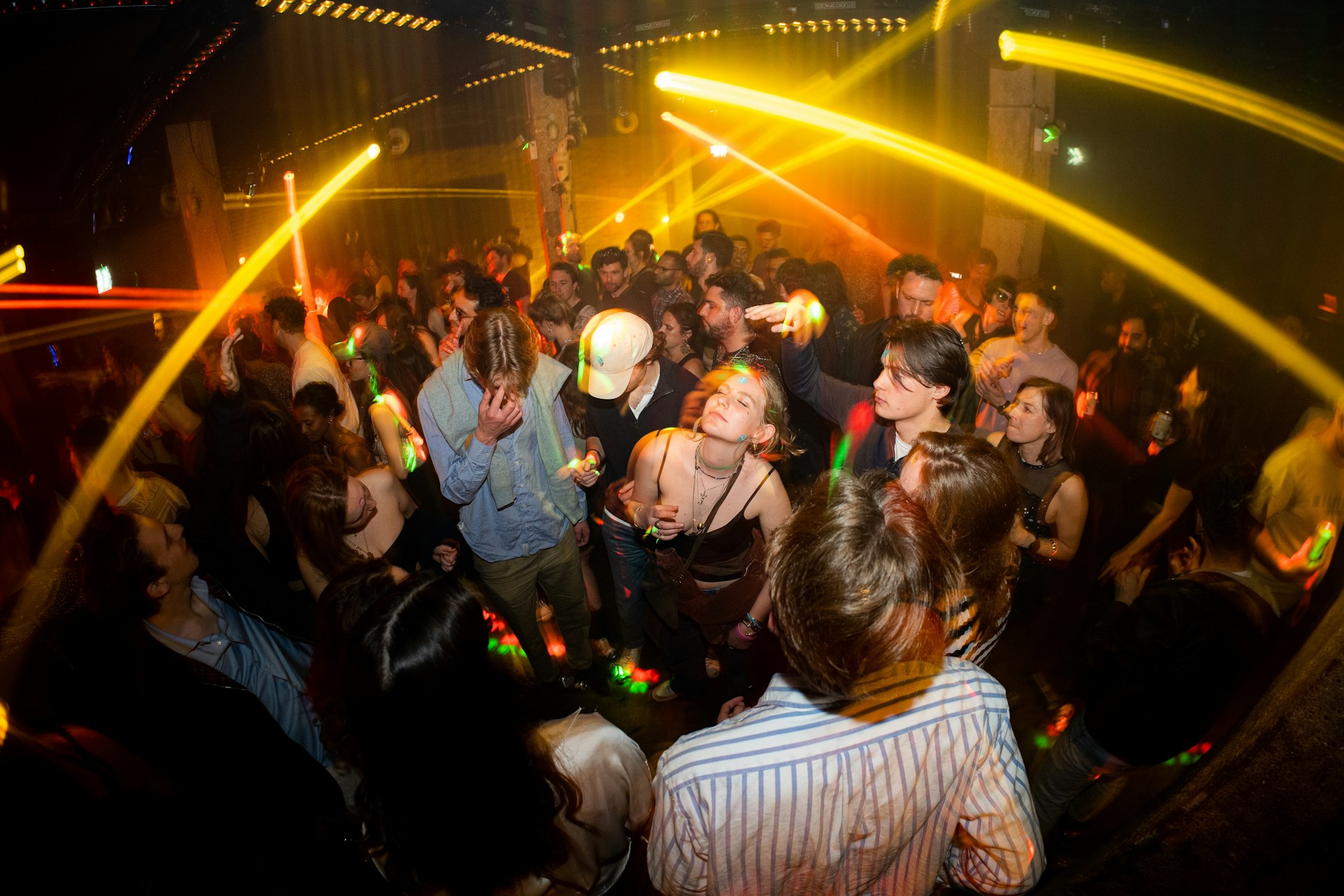
Where Reykjavík Nightlife Happens
The action concentrates around five streets in the downtown area: Laugavegur, Bankastræti, Austurstræti, Hafnarstraeti, and Hverfisgata. All of them connect within a few minutes' walk.
Laugavegur is the main strip. Bars sit on both sides of the street, and by 1 am, the pavement fills with people moving between venues. It is the most straightforward place to start a night out and the easiest to navigate if you are new to the city.
Hverfisgata runs parallel to Laugavegur and has a slightly different energy. The crowd tends to be more local, the music leans toward live acts and alternative sounds, and people arrive a little earlier here than on the main strip.
Austurstræti and Bankastræti fill the gap between the two. This is where you find a mix of cocktail bars, Irish-style pubs, and dance venues. Queues outside form here first once midnight passes.
The whole district takes about 15 minutes to walk end to end, so there is no need to plan a route. Most people just follow the noise and the crowd.
Happy Hour in Reykjavík: Where to Go and When
Happy hour is the practical way to manage drink costs in Reykjavík. Most bars run deals from around 3 or 4 pm through 6 to 8 pm, though some run later. Arriving somewhere between 4 pm and 6 pm gives you a comfortable window to settle in before prices go back up.
If you are staying near the Old Harbor, the Tail Bar at the Exeter Hotel on Tryggvagata is a good place to start. It is relaxed, well-located, and close enough to Laugavegur that you can walk into the main district whenever you are ready.

Further into the nightlife district, Kaldi Bar on Laugavegur is a well-known stop for Icelandic craft beers during happy hour. Bravo, also on Laugavegur, is worth a stop for its notably long daily happy hour, though check current times upon arrival, as hours vary by season.
Bars and Nightclubs Worth Knowing
Reykjavík is not a city of enormous superclubs. Most venues are mid-sized spaces that shift from bar to dance floor as the night goes on. The table below covers some of the most consistently popular options in 2026.
Venue | Type | Known for |
Kaldi Bar | Craft beer bar | Local Icelandic beers on tap |
Gaukurinn | Bar and live venue | Rock, punk, drag shows, karaoke, comedy nights; inclusive crowd |
Kiki Queer Bar | LGBTQ+ bar and club | Open Thursday–Sunday; karaoke Thursdays, drag shows Fridays, themed nights, welcoming to all |
Paloma | Nightclub | Mixed electronic, house, and hip-hop; basement dance floor |
Prikið Kaffihús | Bar and diner | Late-night food, busy after 1 am |
Dillon | Whiskey bar | 170+ whiskeys, live music on weekends, rock-focused crowd |
Bravo | Bar | Known for one of the longest happy hours on the strip, an easygoing mixed crowd |
Most of these are on or near Laugavegur, with doors open from around 6 pm. The real energy at any bar and nightclub in this area builds after midnight, so do not write a venue off if it feels quiet when you arrive early.
What to Wear on a Night Out in Reykjavík
Dress codes vary by venue type. Bars are relaxed and accept smart casual easily. Clubs are a different story, and doormen do turn people away for hiking boots, hoodies, or athletic wear. Icelanders tend to dress up properly for a night out.
A good rule of thumb is to dress the way you would for a night out in any mid-sized European city. Smart casual gets you into most places, and something a bit sharper gets you into all of them. Either way, bring a warm outer layer for walking between venues, as temperatures drop significantly after dark in autumn, winter, and early spring.
Late-Night Food: The Icelandic Hot Dog
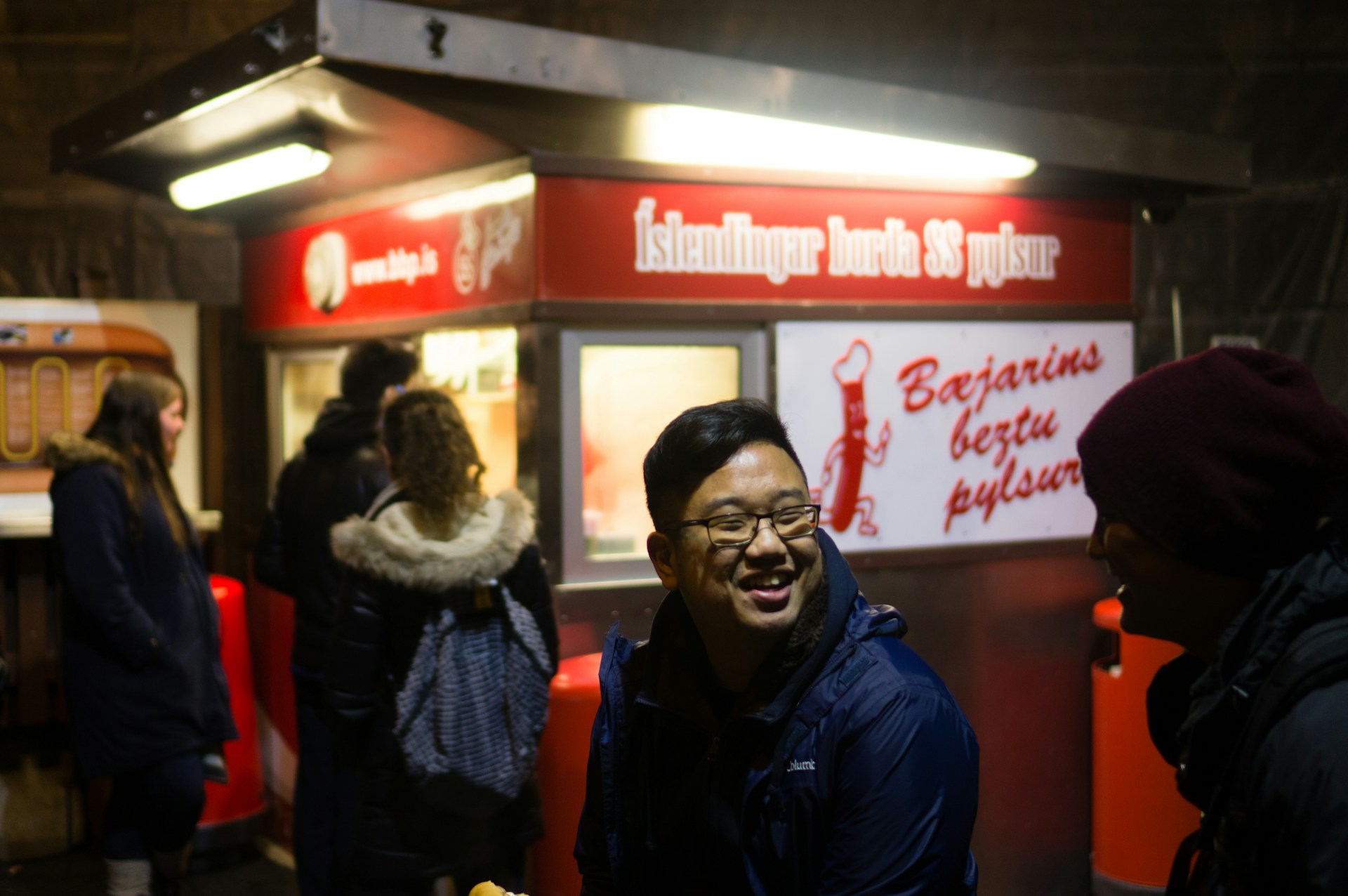
At some point after midnight, you will smell them before you see them. The Icelandic hot dog, known locally as a pylsa, is the standard late-night eat in Reykjavík, and it earns that reputation.
The most famous spot is Bæjarins Beztu Pylsur, a small stand on Tryggvagata that has been running since 1937. It is at its busiest in the early morning hours once the bars close, and it sits a short walk from Exeter Hotel's Old Harbor location. Order "ein með öllu," which means "one with everything," and you get sweet brown mustard, ketchup, remoulade, crispy fried onions, and raw onion. Prices start at around 880 ISK (about $6-$7 USD).
If the queue is long, Le Kock at Exeter Hotel is a short walk from the nightlife district and is known for its burgers. For a broader look at dining in the area, the restaurants in Reykjavik harbor guide covers what to know around the Old Harbor. The hotel's bakery, Deig, also opens early for coffee and a bite before you sleep.
Getting Around After Dark
Walking is the easiest way to get around. The streets are well-lit, the area is compact, and most venues are within 15 minutes' walk of each other.
If you need a taxi, the most reliable rank is near Lækjargata. Hailing one off the street is difficult once the night gets busy, so walk to the rank or book through one of the local apps. Driving after drinking is not an option in Iceland, as the blood alcohol limit is 0.05% and roadside checks are routine. The penalties include fines and license suspension. Because Iceland’s legal blood alcohol limit is very low, there’s no safe “drinks per hour” driving rule. The safest choice is not to drive after drinking at all.
If you have a rental car, leave it at the hotel and collect it the next day. The nightlife district is within walking distance of the Exeter Hotel at the Old Harbor, making it the ideal place to stay while exploring the city safely and conveniently.
Safety and Common-Sense Tips
Reykjavík is one of the safest capitals in Europe, and serious incidents during nightlife are genuinely rare. The risks that do exist are minor and easy to manage.
Keep your phone in a zipped pocket or bag inside busy venues, and do not leave your jacket on a coat pile where you cannot see it. Phone theft from coat piles is the most common issue.
Pick-pocketing on the street is uncommon but not unheard of in busy areas after midnight.
If you have an early-morning activity booked, such as a Northern Lights tour or a glacier trip, factor it into your night. Most tours do not offer refunds for late cancellations or no-shows.
For anyone traveling alone, Reykjavík is a consistently good choice. The Reykjavik solo female travel guide covers safety, neighborhoods, and practical planning in more depth.
Where to Stay for Reykjavík Nightlife
Location makes a real difference on a night out in Reykjavík. Staying close to the action means you can walk home and back out the next day with little effort.
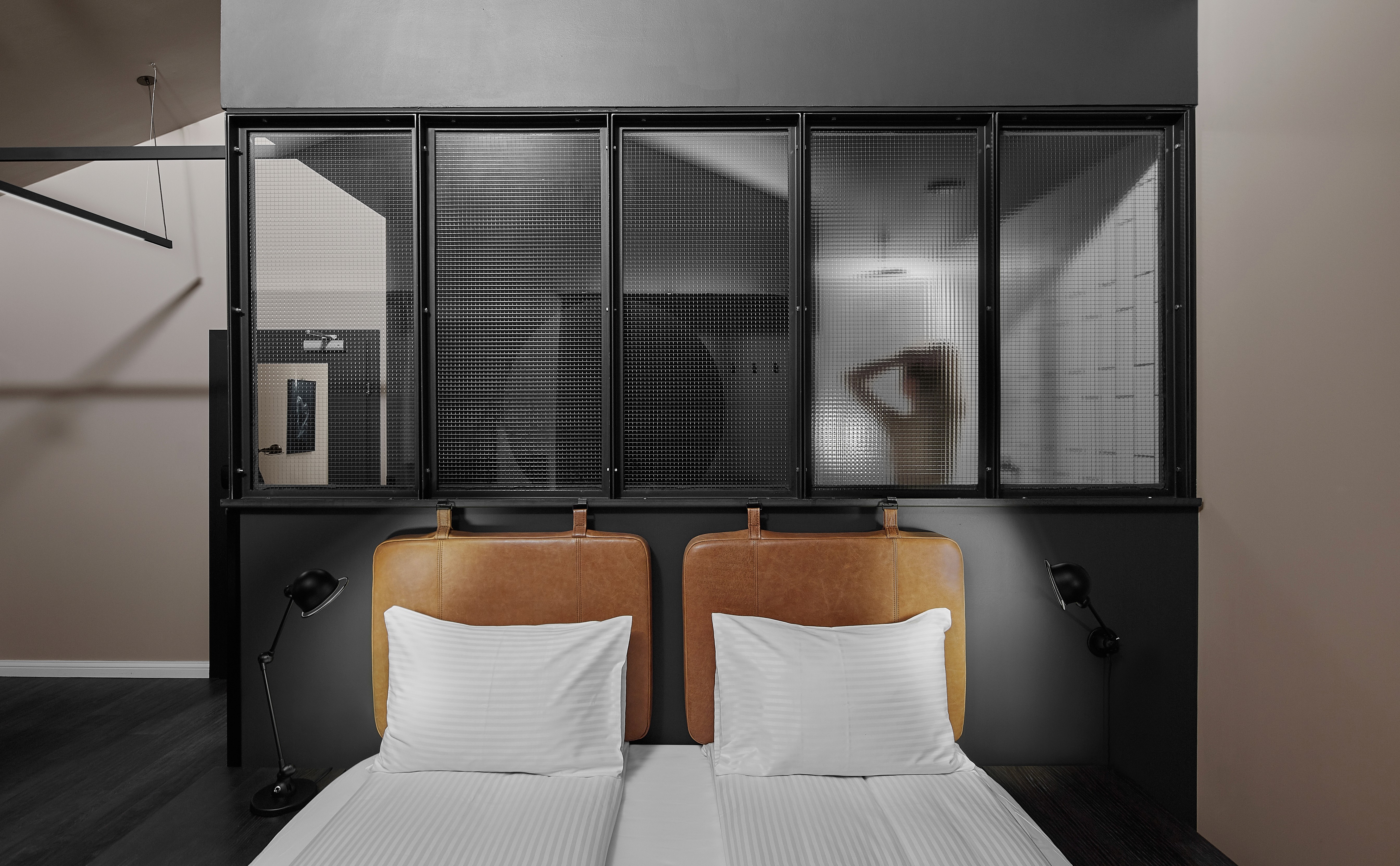
The trendy hotel in downtown Reykjavík sits on Tryggvagata 12 by the Old Harbor, a 10-minute walk from Laugavegur. The in-house bar, Tail, is a good place to start the evening, and Le Kock is worth knowing about for dinner before you head out.
If you have not locked in accommodation yet, knowing where to stay in Reykjavik for first-timers ahead of time makes the whole trip easier to plan.
FAQs
What is the drinking age in Iceland?
The legal drinking age is 20. Some venues set their own minimum at 22, and bouncers check ID on weekends, so carry a valid photo ID.
Is it worth going out on a weeknight in Reykjavík?
Thursdays are the best weeknight option, with several bars hosting live music and DJ nights. Sunday through Wednesday is quieter, and most venues close at 1 am, so weekends are where the full experience happens.
Do I need to queue to get into bars and clubs in Reykjavík?
Queues form outside the busiest venues after midnight on Fridays and Saturdays. Arriving before midnight avoids most of them, and weeknights rarely have any wait at all.
Can I use a credit card at bars in Reykjavík?
Yes. Iceland is largely cashless, and cards are accepted almost everywhere, including at most bars, clubs, and even the famous hot dog stand on Tryggvagata.
Is Reykjavík nightlife good in winter?
Yes. The scene runs year-round, and winter nights are some of the most social, with locals and visitors packed into warm bars. The shorter days mean people head out earlier, and the energy builds faster.
Ready for a Night Out?
Reykjavík nightlife rewards those who come prepared and stay patient. Start early with happy hour, give the city time to wake up, and let the night take shape from there. If you want a base that puts you close to everything, the Exeter hotel in downtown Reykjavík is a short walk from the main strip and right next to the Old Harbor. Everything covered in this guide is within easy reach on foot.

